
Justice and Compliance: What Has to Happen Before Any New Forensic Tool Reaches Practice

This post focuses specifically on criminal investigations and disaster victim identification, since different forensic applications can fall under different legal frameworks. Closing a scientific gap and putting a tool into real casework are two different things. Here’s what has to happen in between. Research finding, not operational approval A method that performs well in one […]
Forensic Myths vs Reality: Why “Instant DNA Results” Is Mostly Fiction
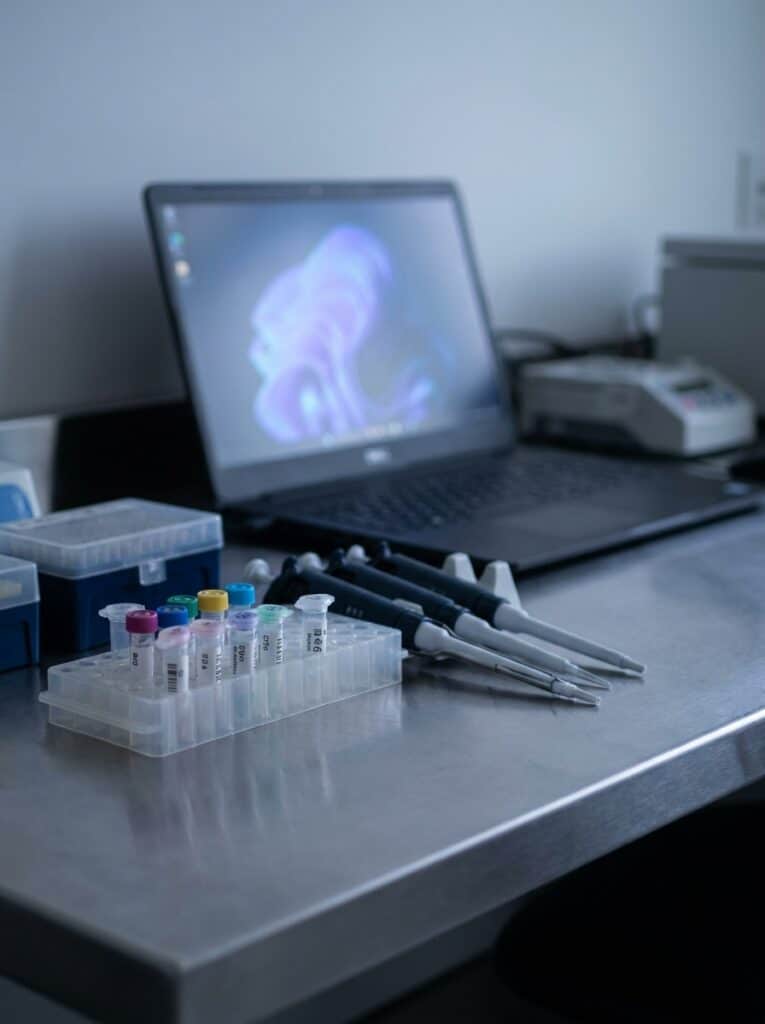
Ever watched a crime show where a detective swabs a doorknob, and twenty minutes later a computer beeps and flashes a suspect’s photo on screen? That single dramatic moment actually hides several separate steps: finding a usable sample, obtaining a profile, searching for a possible match, confirming it, and figuring out what it means for […]
From Lab to Law: Why Forensic Science Needs New Investigative Tools
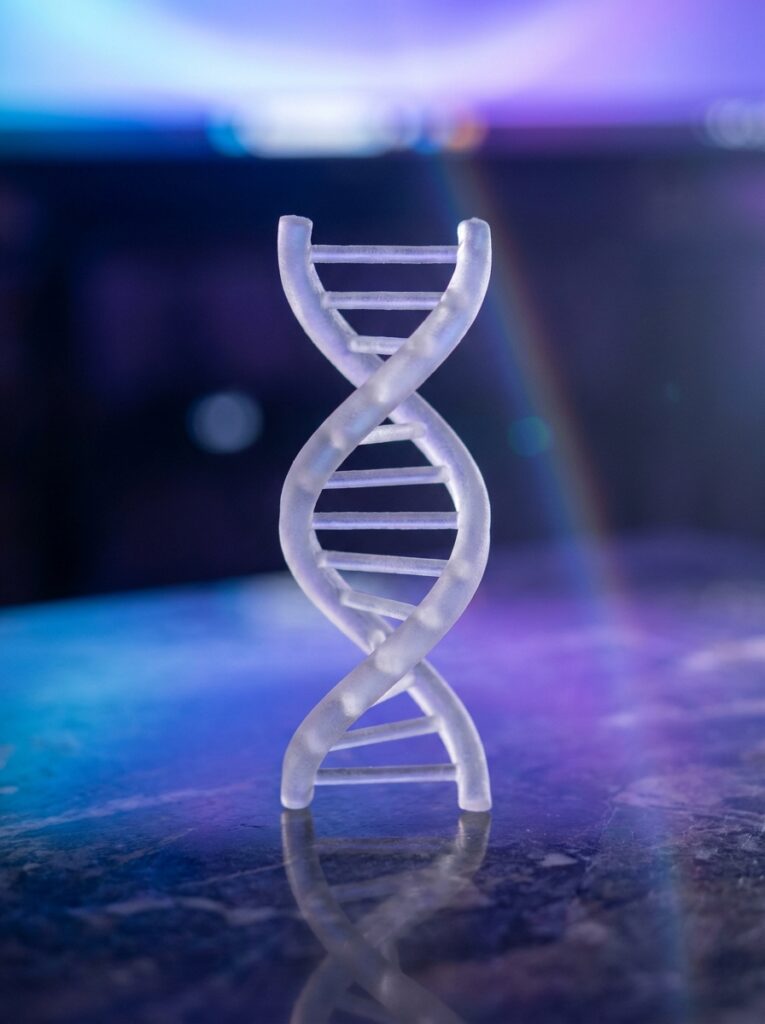
When a biological trace is found at a crime scene, DNA profiling is usually the first tool investigators reach for. It’s fast and well-established. But there’s a catch that rarely makes it into TV dramas: a DNA profile is only useful if there’s something to compare it to. What forensic labs can determine today Standard […]
ForMAT Explains: 5 Terms in Forensic Epigenetics
Ever wondered how forensic science might one day estimate age without a name attached to it? Forensic epigenetics is a fast-growing field trying to answer exactly that — and it comes with its own vocabulary. This summer, our “ForMAT Explains” series broke down five terms you’ll come across when reading about our project. Here’s the […]
Forensic Science Communication: Why It’s Harder Than It Sounds
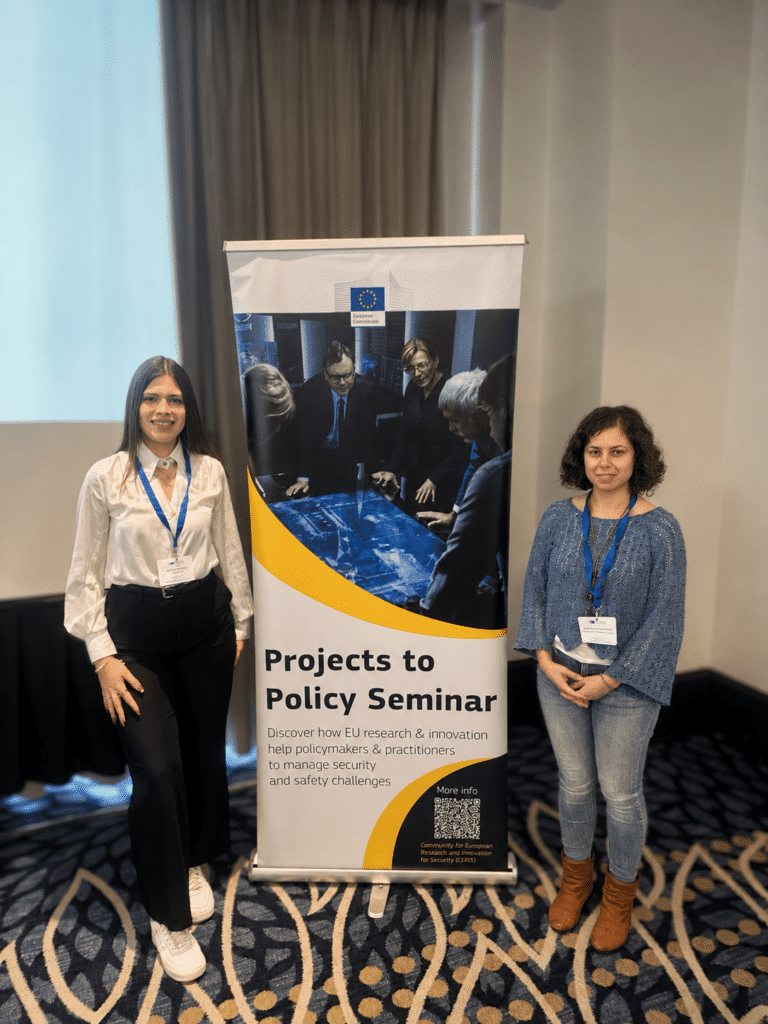
Earlier this month, ForMAT’s Communication & Dissemination Manager Alina Harbovska and Project Coordinator Ana Freire-Aradas attended the Projects to Policy Seminar in Brussels. The event brought together EU-funded security research projects, representatives from DG HOME, and the Research Executive Agency (REA) for two days of exchange on how research translates into real-world impact. One theme […]
ForSpEC sperm age estimation: a new tool for forensic investigations

This post is an English-language overview of an article originally published in French by Police-Scientifique.com on 18 March 2026. ForSpEC is one of the tools developed within the ForMAT project. When investigators find DNA at a crime scene but have no suspect to match it to, traditional DNA profiling hits a wall. It can confirm […]