This post is an English-language overview of an article originally published in French by Police-Scientifique.com on 18 March 2026. ForSpEC is one of the tools developed within the ForMAT project.
When investigators find DNA at a crime scene but have no suspect to match it to, traditional DNA profiling hits a wall. It can confirm identity — but only if you already have someone to compare it with. It tells you nothing about who left that trace. Not their age, not their appearance, not anything about their biology.
Forensic epigenetics is working to close that gap. A newly published tool developed within the ForMAT project is a significant step in that direction.
What is ForSpEC?
ForSpEC stands for Forensic Sperm Epigenetic Clock. It is a compact tool that estimates the biological age of a man from a sperm DNA sample. Researchers developed it as part of the EU-funded ForMAT project (Forensic Methylation Analysis Toolsets), which builds a new generation of forensic tools based on DNA methylation.
The team published the scientific paper in the journal Forensic Science International: Genetics in early 2026. The title is “ForSpEC: A compact forensic epigenetic age clock for sperm cells with cross-platform validation.”
The science behind ForSpEC sperm age estimation
To understand why ForSpEC matters, it helps to know what DNA methylation is — and why existing tools fail when applied to sperm.
DNA methylation is an epigenetic process. It does not change the DNA sequence itself, but it influences how genes are expressed. Specifically, it adds a methyl group (–CH3) to cytosine bases at CpG sites along the DNA strand. These methylation patterns shift as a person ages. That shift is what makes them useful as a biological clock.
The problem is that sperm cells differ biologically from somatic tissues like blood, saliva, or buccal cells. Sperm undergo a process called epigenetic reprogramming during their formation. Their methylation patterns look very different from those of other cell types. A clock built on blood data will produce a poor estimate when researchers apply it to a sperm sample.
ForSpEC solves this directly.
The ForSpEC model
Researchers analysed 212 semen samples from Polish men between 19 and 57 years old. From that dataset, they built a model using just seven CpG methylation markers. Despite its simplicity, the model estimates age with an average error of 3.1 years. Larger models rely on hundreds of markers and achieve only marginally better accuracy. ForSpEC is therefore easier to implement in a routine forensic laboratory without sacrificing meaningful precision.
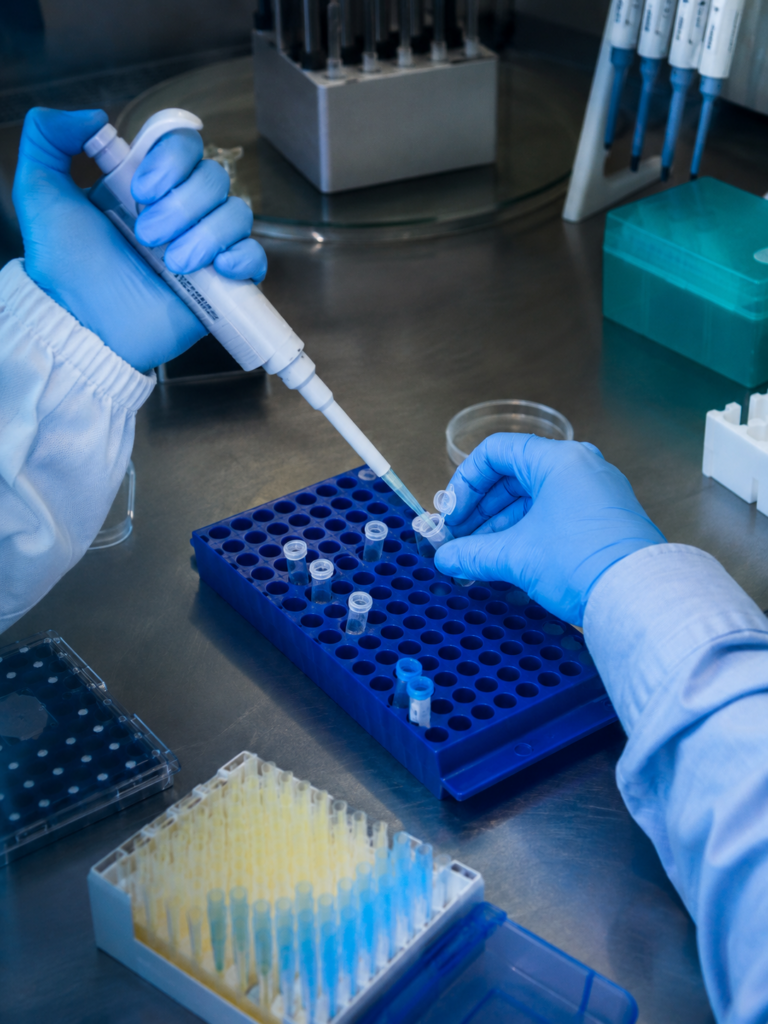
The team validated the tool using AmpliSeq sequencing technology. They chose it for its precision, flexibility, and compatibility with the workflows forensic DNA labs already use.
Why does this matter for criminal investigations?
In sexual assault cases, semen is often a key piece of biological evidence. Standard DNA profiling can match a sample to a known suspect. But when no match exists in the database, the investigation stalls.
ForSpEC changes that dynamic. Investigators can use it to estimate the donor’s age directly from the sperm DNA. That gives them an age range to work with — even without a genetic match. ForSpEC does not identify anyone. It gives investigators a meaningful lead when they would otherwise have none.
ForSpEC within the broader ForMAT project
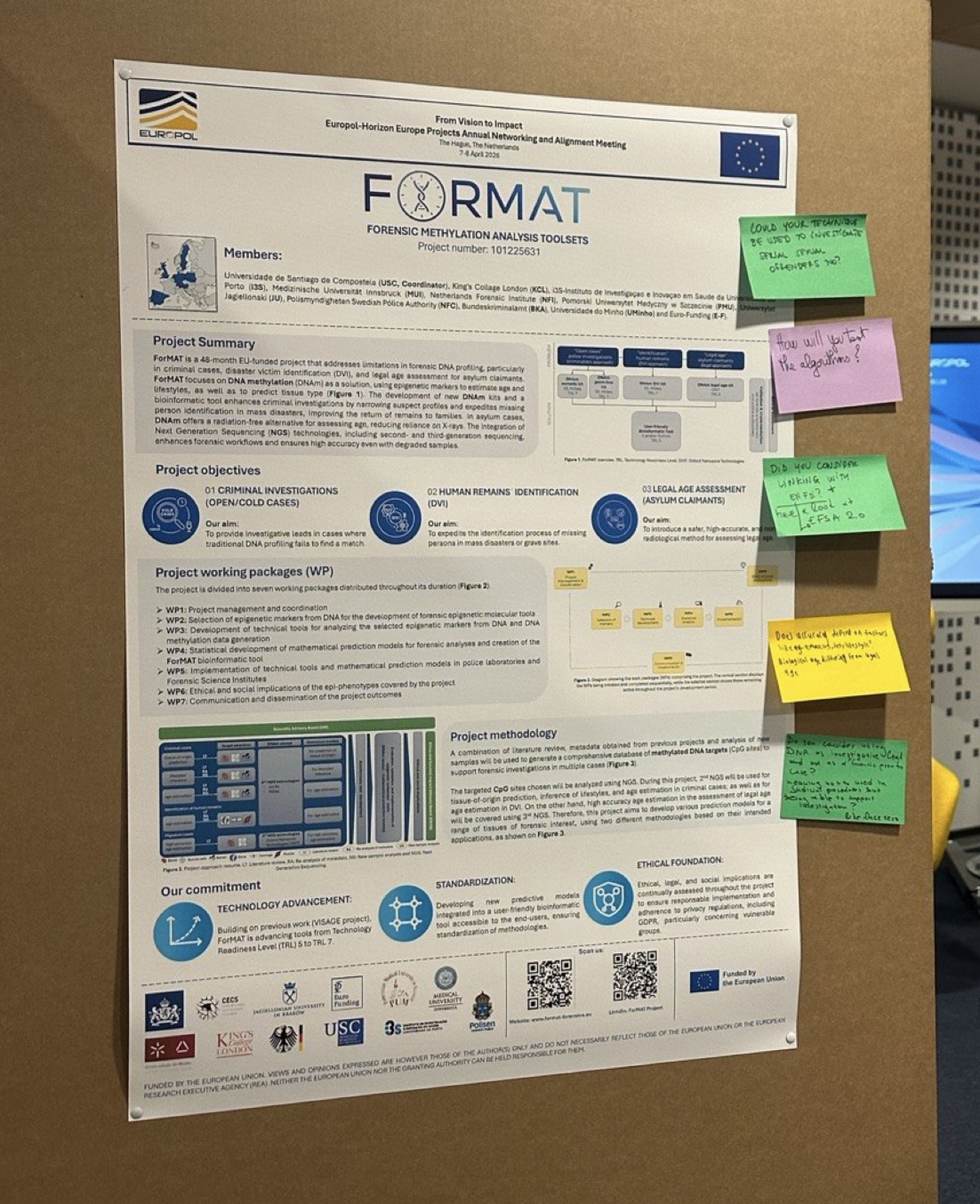
ForSpEC is one component of a larger toolkit under development within ForMAT. The project’s ambition goes well beyond any single tool. It aims to create standardised, validated, and legally admissible methods for using DNA methylation as forensic evidence across Europe.
ForMAT covers several areas: identifying tissue and fluid types from trace biological material, estimating age from different sample types (including human remains for disaster victim identification), and developing ethical and legal frameworks for interpreting epigenetic data in court. ForSpEC is the dedicated solution for sperm-based evidence in sexual assault cases.
What comes next?
The scientific foundations of ForSpEC are solid, but several steps remain before operational forensic labs can deploy it. Cross-laboratory validation is necessary to confirm the tool performs consistently across different settings and platforms. The research team is still evaluating which sequencing technology will become the standard for routine use. Analytical precision and practical compatibility with existing lab infrastructure will drive that decision.
These are normal steps in the journey from research to practice. The ForMAT project is designed to take them seriously. The goal is not a tool that works in one lab — it is a tool that works everywhere it needs to.