The ForMAT project is excited to announce a significant scientific breakthrough: the development of ForSpEC (Forensic Sperm Epigenetic Clock). This innovative tool offers forensic experts a highly accurate method for analyzing biological evidence, specifically focusing on age estimation.
While DNA profiling has long been the go-to method for identification, estimating the age of a biological sample donor has remained a challenge. This is especially true for non-somatic tissues. ForSpEC addresses this gap by using epigenetics to transform biological traces into precise investigative intelligence.
The science behind ForSpEC
The concept behind the “epigenetic clock” is rooted in analyzing DNA methylation (DNAm). DNAm refers to molecular changes that naturally occur as a person ages. Unlike the genetic sequence, which stays constant, methylation patterns act as a biological record of time. This allows researchers to estimate an individual’s age with remarkable accuracy.
ForSpEC is specifically designed for sperm cells, which have been difficult to study due to their unique epigenetic regulation. By targeting just seven specific CpG sites in the genome, ForSpEC bridges the gap between raw molecular data and actionable forensic profiles, offering an unparalleled level of accuracy in age estimation.
A result of strategic research and collaboration
This breakthrough is the result of extensive marker selection research conducted within the Horizon Europe ForMAT project (Work Package 2). Several key factors made the development of ForSpEC possible:
-
Data integration: ForSpEC builds on a solid foundation of EPIC data, previously collected through public research channels and collaborations.
-
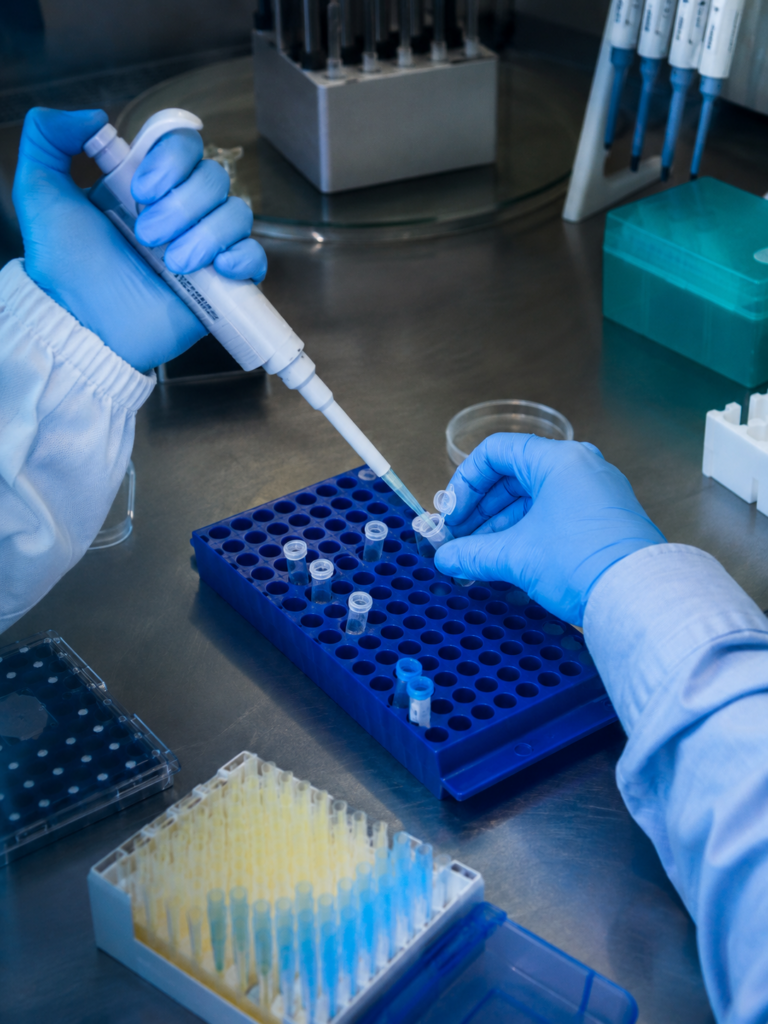
Advanced technology: The use of Next-Generation Sequencing (NGS) makes the tool practical and scalable for modern forensic labs.
-
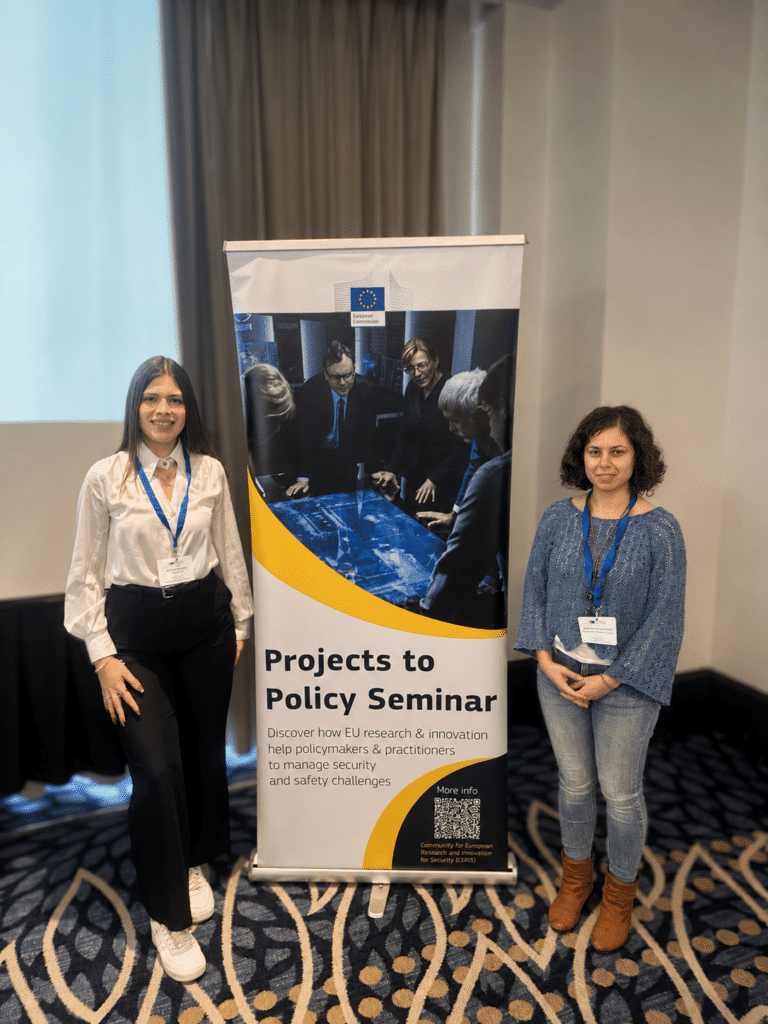
Consortium expertise: The development of ForSpEC was a collaborative effort involving researchers from Jagiellonian University (JU) and Pomeranian Medical University (PMU).
Broadening the forensic toolkit
ForSpEC is not just an isolated achievement. It is part of the broader ForMAT toolset. By providing a reliable method for age estimation in non-somatic tissues, it enhances the ability of law enforcement agencies to focus their investigations more effectively. With ForSpEC, authorities can use biological evidence to narrow their investigative leads, making it easier to identify potential suspects based on age.
Additionally, ForSpEC opens new opportunities for reviewing cold cases. Investigators can re-analyze evidence from unsolved cases, generating new insights that may not have been available with traditional methods. As the tool evolves, it will contribute to the standardization of epigenetic analysis across Europe, helping create a unified, user-friendly bioinformatic tool for forensic practitioners.
For a deeper understanding of the scientific methodology behind this tool, you can access the full study in Forensic Science International: Genetics here.
About the ForMAT project
The ForMAT (Forensic Methylation Analysis Toolsets) project is a four-year European research and innovation initiative aimed at revolutionizing forensic sciences. By leveraging DNA methylation and advanced bioinformatics, the project develops specialized kits for high-accuracy age estimation, lifestyle inference, and tissue identification. These tools support modern investigative practices while also facilitating the ethical assessment of asylum claimants.
This project has received funding from the European Union’s Horizon Europe programme under grant agreement No. 101225631.
Stay updated
To stay informed about our technical milestones and international collaborations, we encourage you to follow the ForMAT project on LinkedIn and stay engaged with our progress.