
ForMAT at the European Researchers’ Night 2026 in Braga
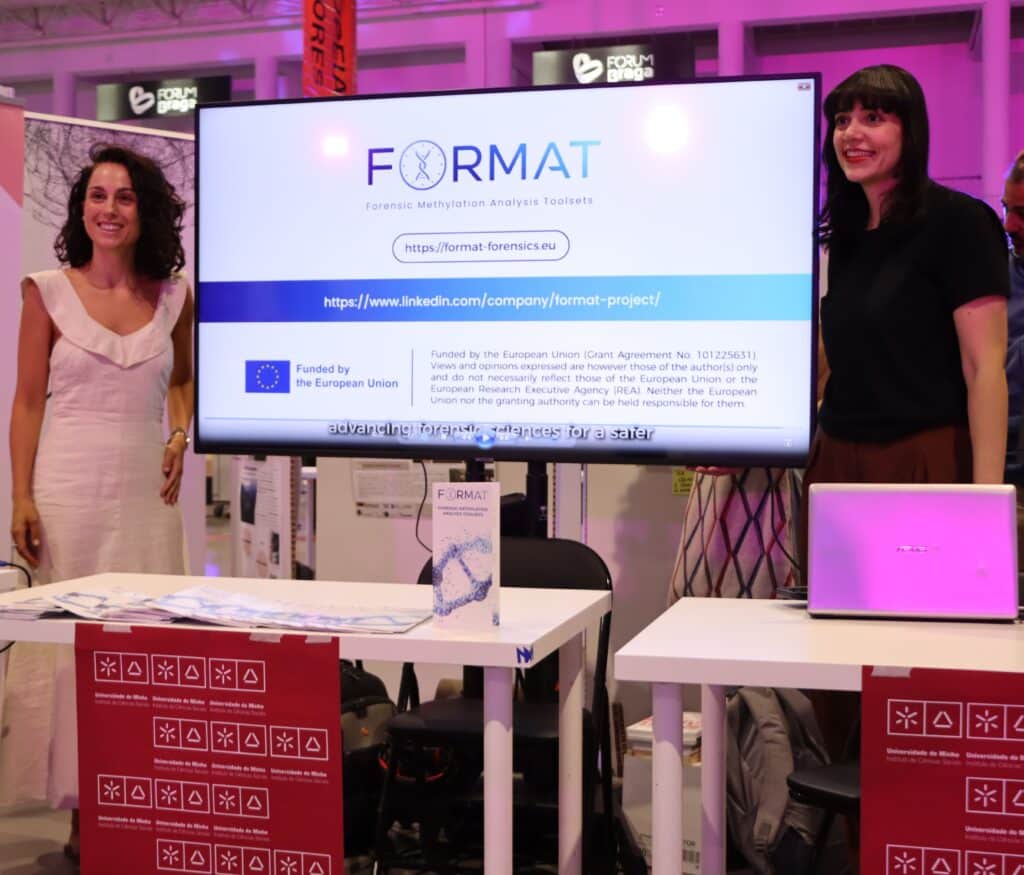
On 25 September 2026, Forum Braga filled up with people who do not normally spend an evening talking to scientists. The European Researchers’ Night in Braga ran from half past two in the afternoon until midnight. It brought researchers out of their laboratories and into a public space. Entry was free, and the programme included […]
ForMAT Consortium Meeting in Kraków: Planning the Second Year
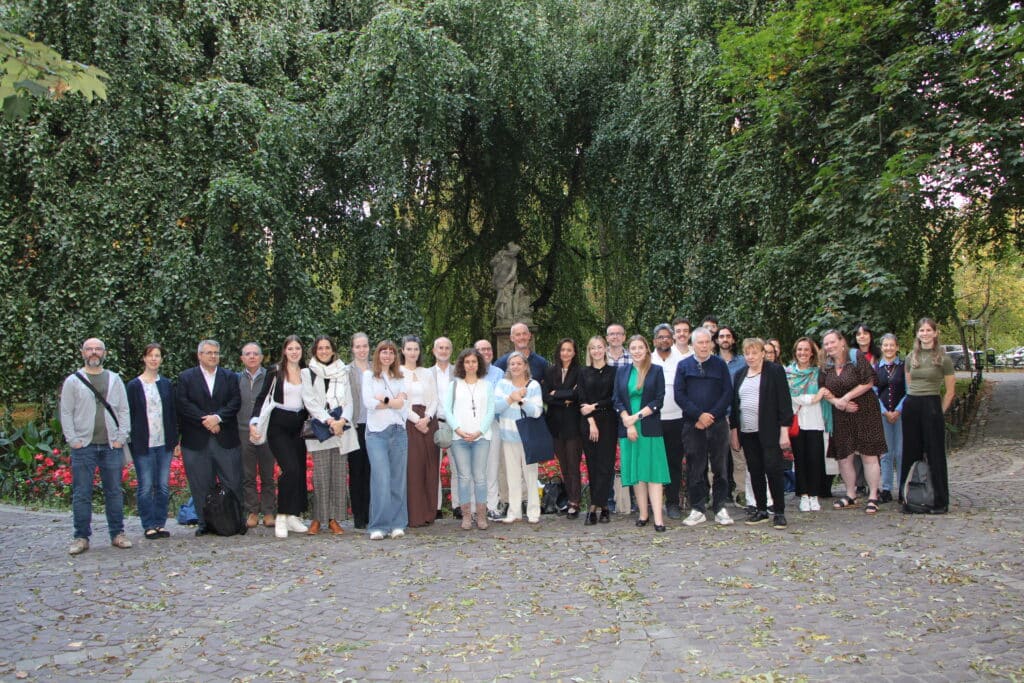
The whole ForMAT consortium in one room, in Kraków. On 7 and 8 October 2026, project partners met in person for the ForMAT consortium meeting, which the Jagiellonian University hosted. The aim was to look at where the project stands and to plan the work ahead as ForMAT moves through its second year. What happened […]
ForMAT at the 7th Polish Congress of Genetics in Wrocław
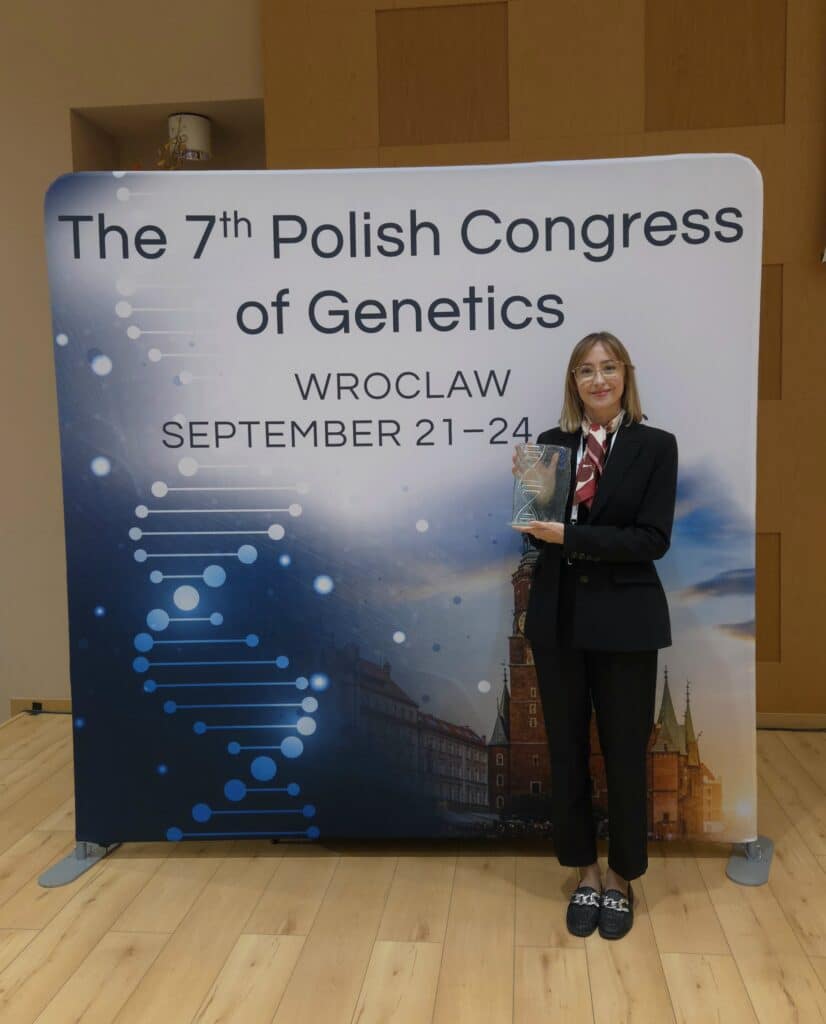
From 21 to 24 September 2026, ForMAT researchers took part in the 7th Polish Congress of Genetics in Wrocław, Poland. The Polish Genetic Society and the Polish Society of Human Genetics organised the Congress. It brings together researchers working across many areas of genetics, including a dedicated forensic genetics session. For ForMAT, it was a […]
ForMAT at ISFG 2026: Sharing Our Science in Montréal
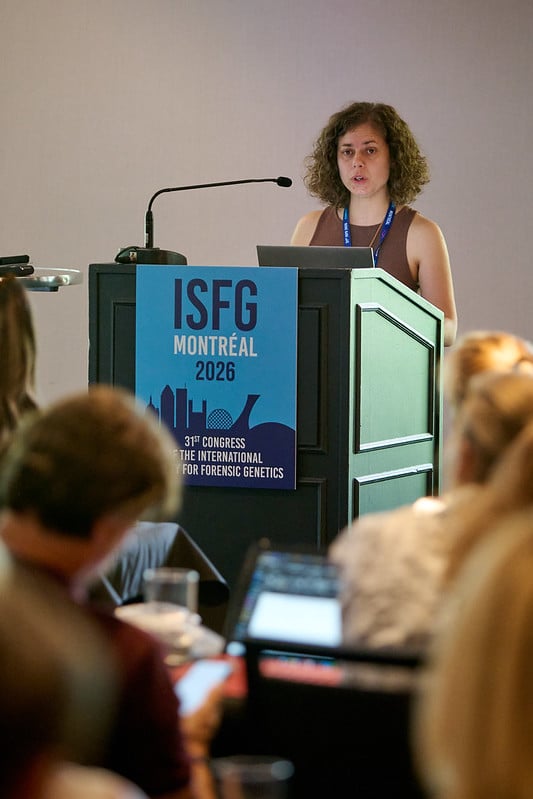
Every two years, the forensic genetics community gathers for the ISFG Congress, the field’s largest international meeting. This year it took place in Montréal, Canada, from 17 to 21 August 2026. ForMAT was there to present its work and connect with the researchers and practitioners shaping the field. What Is the ISFG Congress, and Why […]
Justice and Compliance: What Has to Happen Before Any New Forensic Tool Reaches Practice

This post focuses specifically on criminal investigations and disaster victim identification, since different forensic applications can fall under different legal frameworks. Closing a scientific gap and putting a tool into real casework are two different things. Here’s what has to happen in between. Research finding, not operational approval A method that performs well in one […]
Forensic Myths vs Reality: Why “Instant DNA Results” Is Mostly Fiction
Ever watched a crime show where a detective swabs a doorknob, and twenty minutes later a computer beeps and flashes a suspect’s photo on screen? That single dramatic moment actually hides several separate steps: finding a usable sample, obtaining a profile, searching for a possible match, confirming it, and figuring out what it means for […]
From Lab to Law: Why Forensic Science Needs New Investigative Tools
When a biological trace is found at a crime scene, DNA profiling is usually the first tool investigators reach for. It’s fast and well-established. But there’s a catch that rarely makes it into TV dramas: a DNA profile is only useful if there’s something to compare it to. What forensic labs can determine today Standard […]
ForMAT Explains: 5 Terms in Forensic Epigenetics
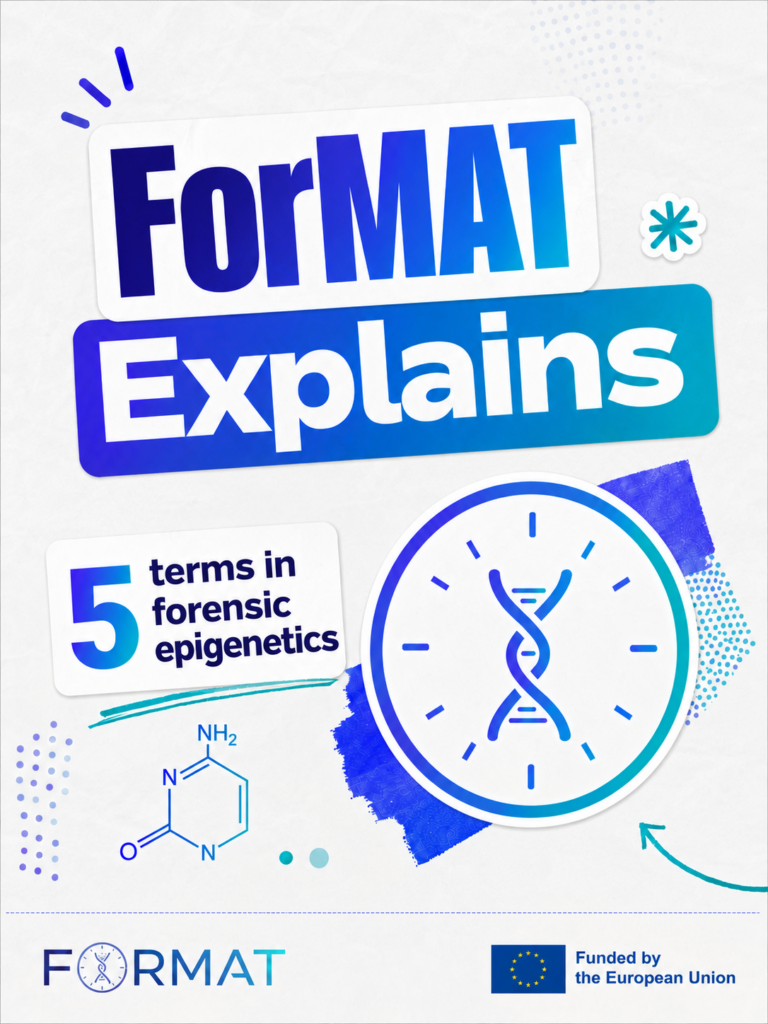
Ever wondered how forensic science might one day estimate age without a name attached to it? Forensic epigenetics is a fast-growing field trying to answer exactly that — and it comes with its own vocabulary. This summer, our “ForMAT Explains” series broke down five terms you’ll come across when reading about our project. Here’s the […]
Why Forensic Labs Need to Work Together, Not Just Side by Side
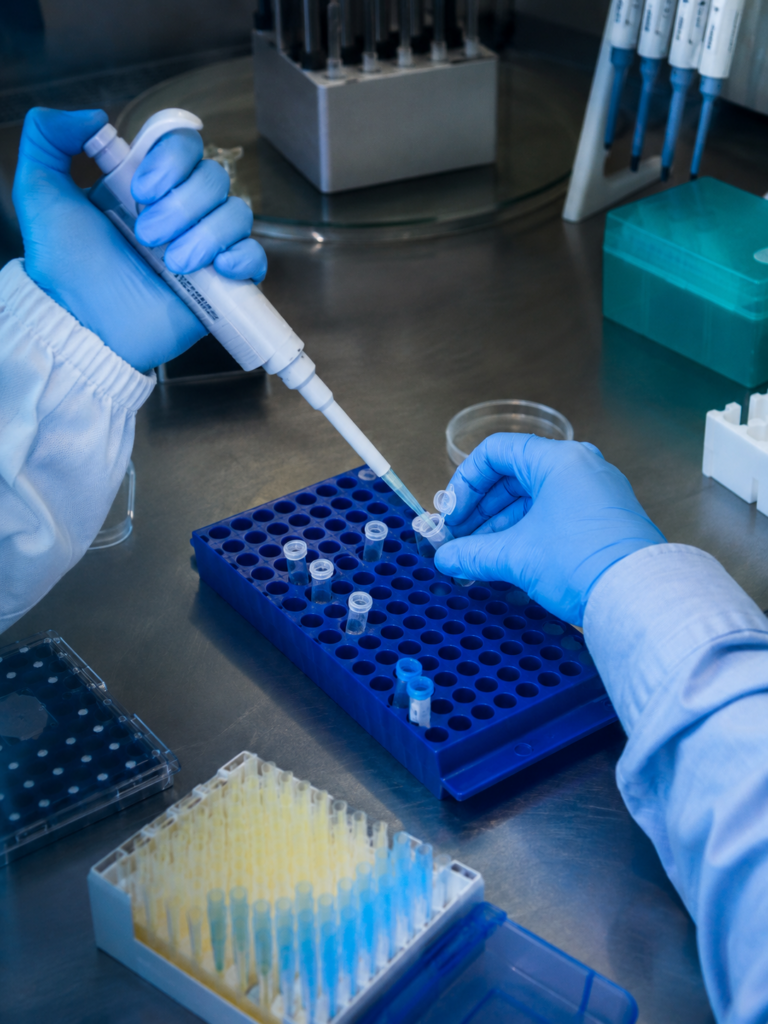
A new forensic DNA test can work perfectly in the lab that develops it. It can still fail when another lab tries to use it. That is not a hypothetical problem. It is one of the most persistent challenges in forensic genetics. It is also the reason scientific visits like the one ForMAT hosted last […]
Forensic Science Communication: Why It’s Harder Than It Sounds
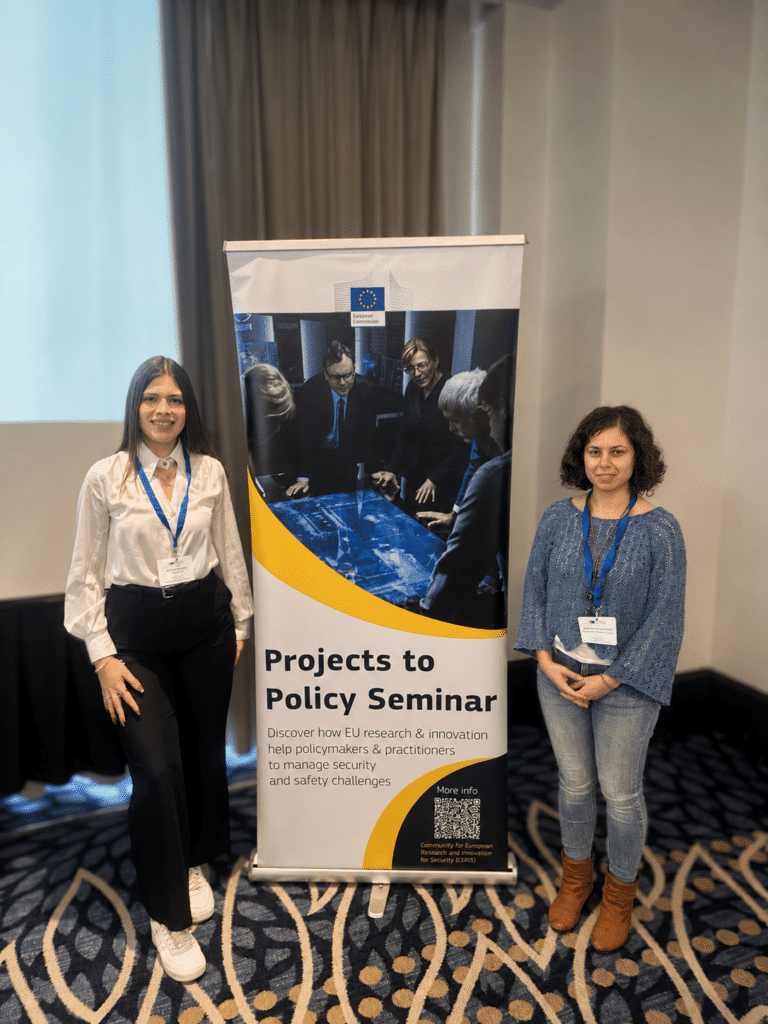
Earlier this month, ForMAT’s Communication & Dissemination Manager Alina Harbovska and Project Coordinator Ana Freire-Aradas attended the Projects to Policy Seminar in Brussels. The event brought together EU-funded security research projects, representatives from DG HOME, and the Research Executive Agency (REA) for two days of exchange on how research translates into real-world impact. One theme […]