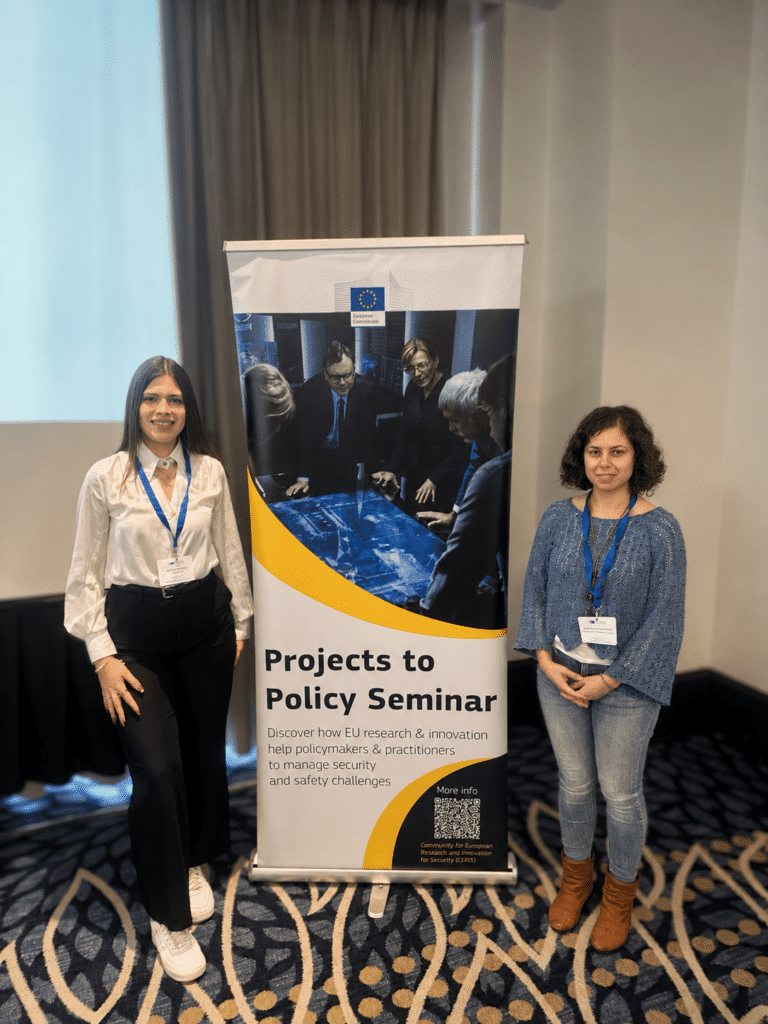
On 25 September 2026, Forum Braga filled up with people who do not normally spend an evening talking to scientists. The European Researchers’ Night in Braga ran from half past two in the afternoon until midnight. It brought researchers out of their laboratories and into a public space. Entry was free, and the programme included more than two hundred activities. ForMAT was part of it, and that matters more than a single evening of outreach might suggest.
Why a forensic research project goes to a public science night
Most people meet forensic genetics through television. In that version, a sample goes into a machine and a name comes out a few seconds later. In practice, forensic science does not work like that. We explain this in our article on why “instant DNA results” is mostly fiction. The gap between the two versions is not harmless. It shapes what people expect from evidence and what they fear about genetic data. It also affects how comfortably they can join a conversation about where these methods should and should not be used. Talking about forensic science clearly is also harder than it sounds. That is one more reason to do it face to face.
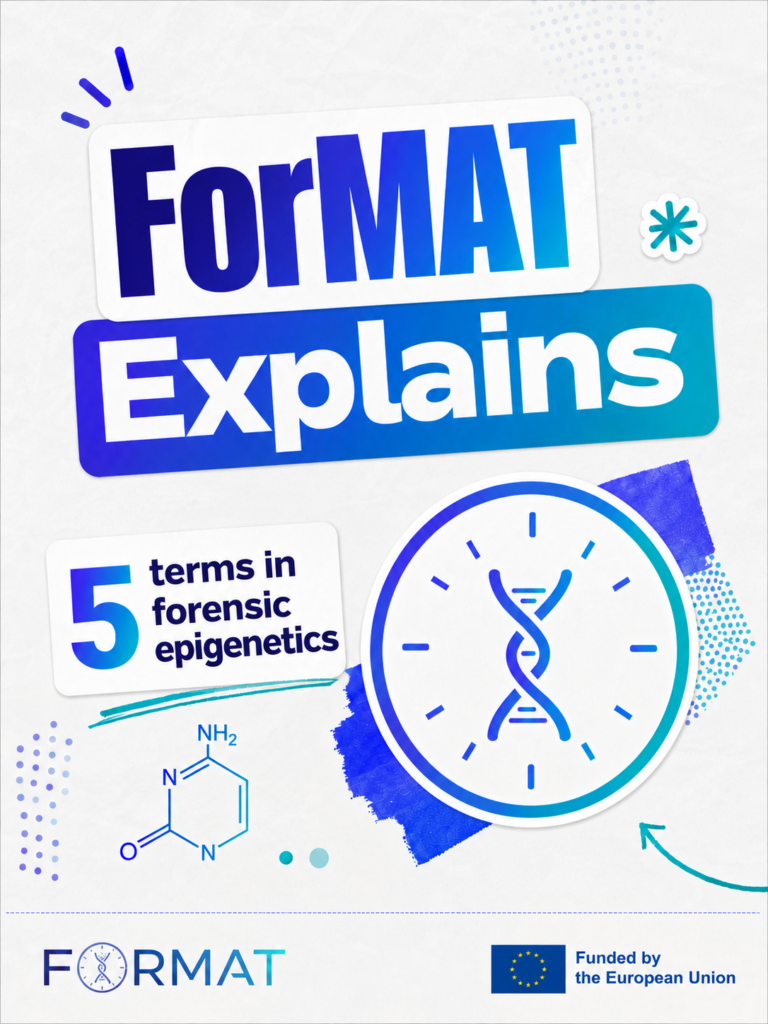
ForMAT sits inside that conversation. The project is developing DNA methylation-based toolsets. They are intended to support forensic age estimation, body fluid and tissue identification, and disaster victim identification. If any of these terms are new to you, ForMAT Explains: 5 Terms in Forensic Epigenetics is the place to start. This is research in progress, and public understanding needs to grow alongside it.
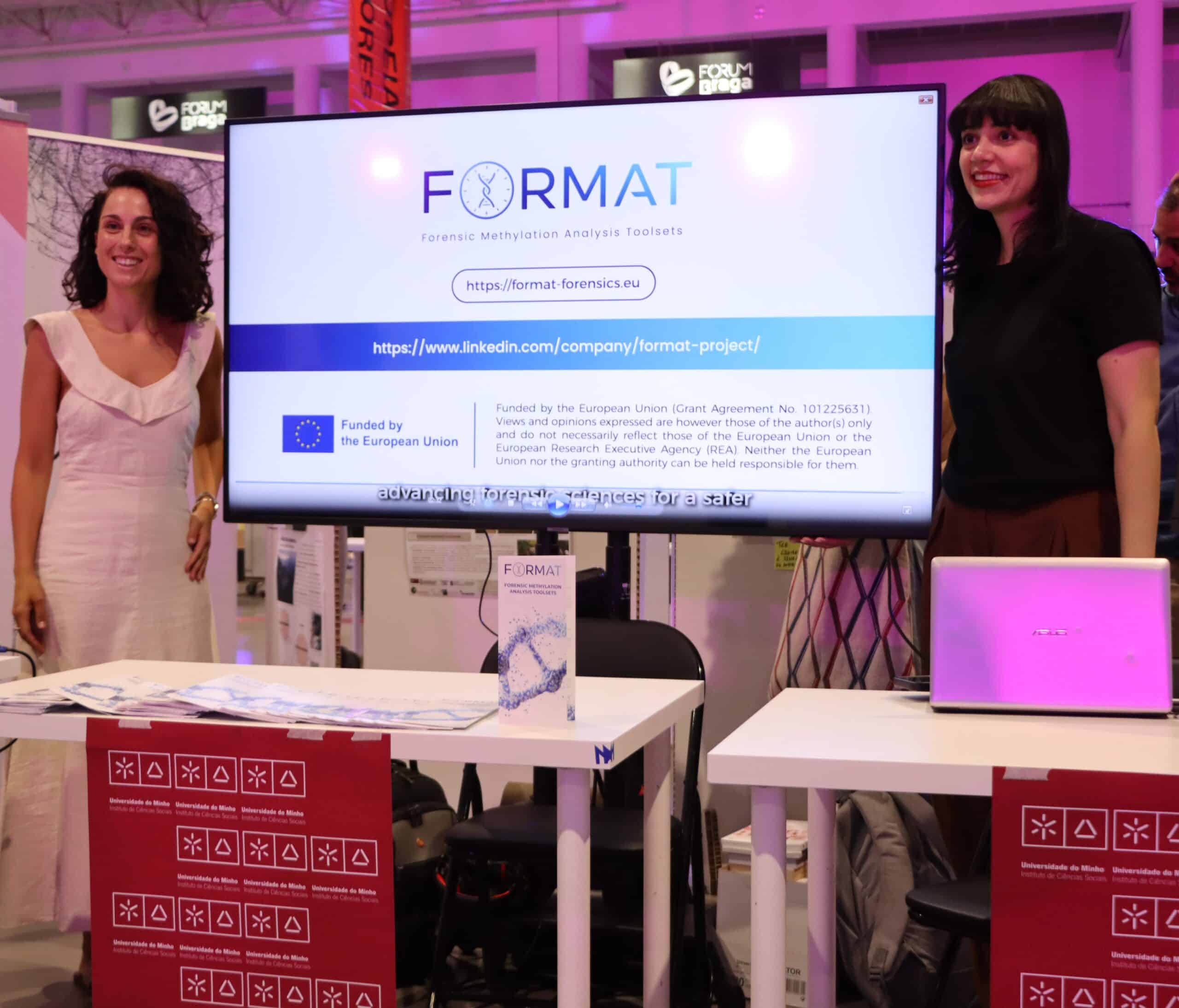
What visitors saw at the ICS stand
The Institute of Social Sciences at the University of Minho (ICS UMinho), a project partner, hosted ForMAT at its stand. The stand brought together researchers from the Communication and Society Research Centre (CECS), CICS-UMinho, CRIA-UMinho and Lab2PT. Visitors arriving with a question about one field could hear about several others.
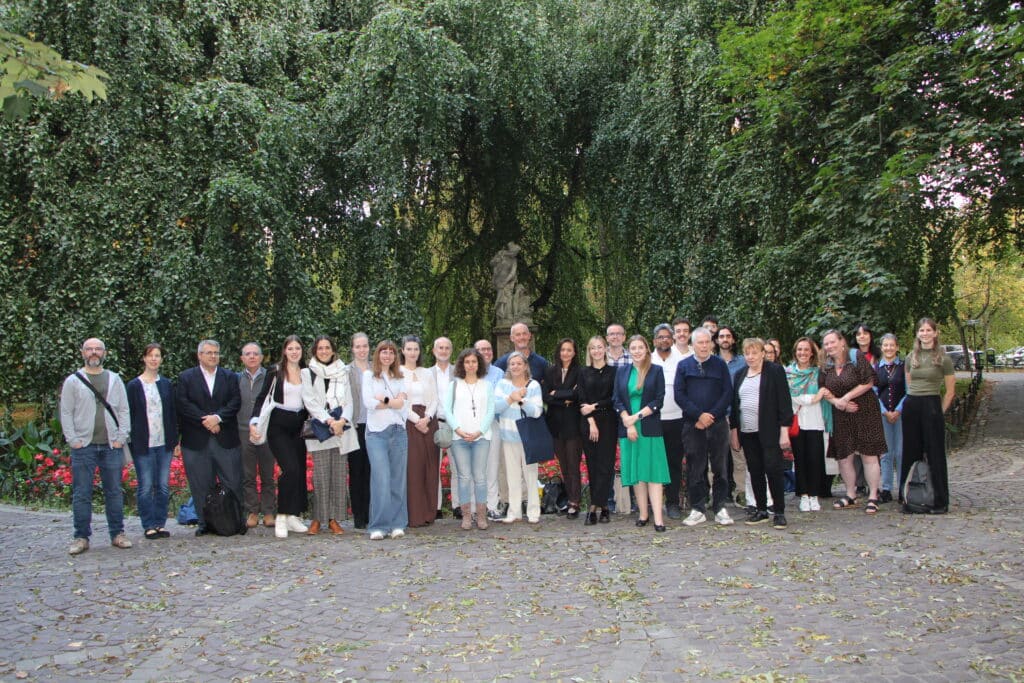
Visitors could watch a short introductory video and pick up project flyers. Members of the research team were on hand to introduce the work, answer questions and share further information. Rafaela Granja, Alessandra Nardini, and Susana Silva attended on behalf of the consortium. Visitors included researchers, university professors, students and members of the general public. That mix suits a project that must speak credibly to specialists and common citizens.
This was not our first activity with the ICS UMinho team. Earlier this year, the same partnership hosted a screening of 13th and an open class on forensic science and social justice for Master’s students at UMinho.
From the laboratory towards responsible use
Forensic methods do not become trustworthy only in the laboratory. They become trustworthy when experts validate them and state their limits honestly. Citizens also need to understand roughly what the methods can and cannot say. We set out what has to happen before any new tool reaches practice in Justice and Compliance: What Has to Happen Before Any New Forensic Tool Reaches Practice. An evening like this one settles none of that. What it does is keep the door open. When ForMAT’s research reaches the point of validation, the conversation about responsible use will already be underway.
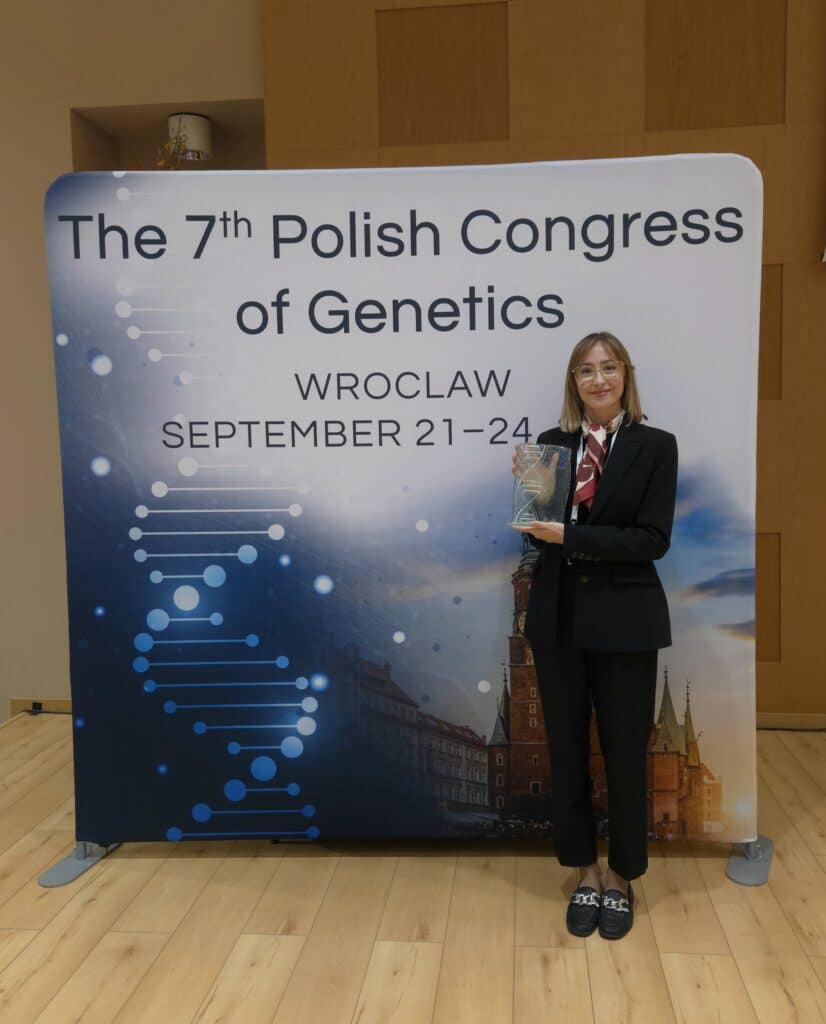
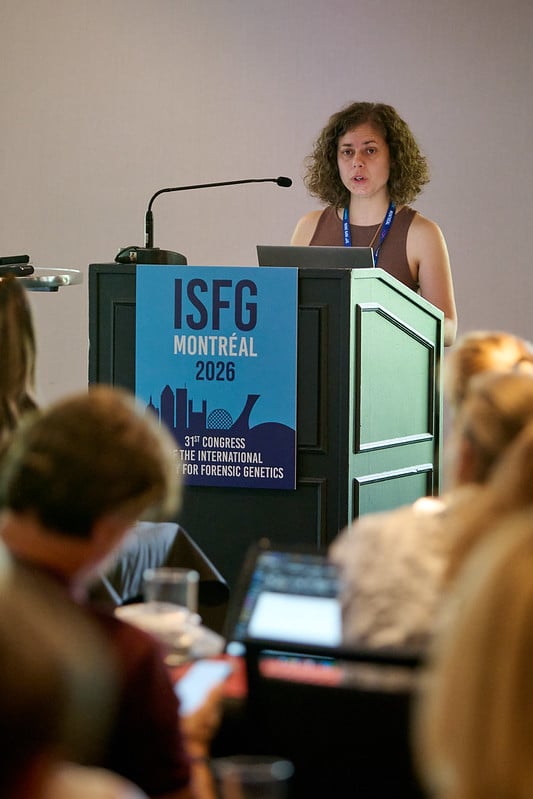
ForMAT runs from 2025 to 2029 and is funded by the European Union under Horizon Europe. We have recently shared the project at ISFG 2026 in Montréal and at the 7th Polish Congress of Genetics in Wrocław. To follow what comes next, visit our News page or find us on LinkedIn.