A new forensic DNA test can work perfectly in the lab that develops it. It can still fail when another lab tries to use it. That is not a hypothetical problem. It is one of the most persistent challenges in forensic genetics. It is also the reason scientific visits like the one ForMAT hosted last week in Santiago de Compostela matter more than they might seem to from the outside.
The hidden problem in forensic science: it has to work everywhere
When researchers develop a new method, for example a panel of DNA methylation markers used to estimate someone’s age, they validate it using their own equipment, their own reagents, and their own data processing pipeline. The results can look excellent. However, that does not guarantee the same method will produce reliable results in a different laboratory. Different machines, different staff, and slightly different protocols can all change the outcome.
This is precisely why cross-laboratory validation exists as a formal step in forensic science. It is also why ForMAT, as a project, relies on a network of laboratories across Europe rather than a single research site.
What happened at Universidade de Santiago de Compostela (USC)
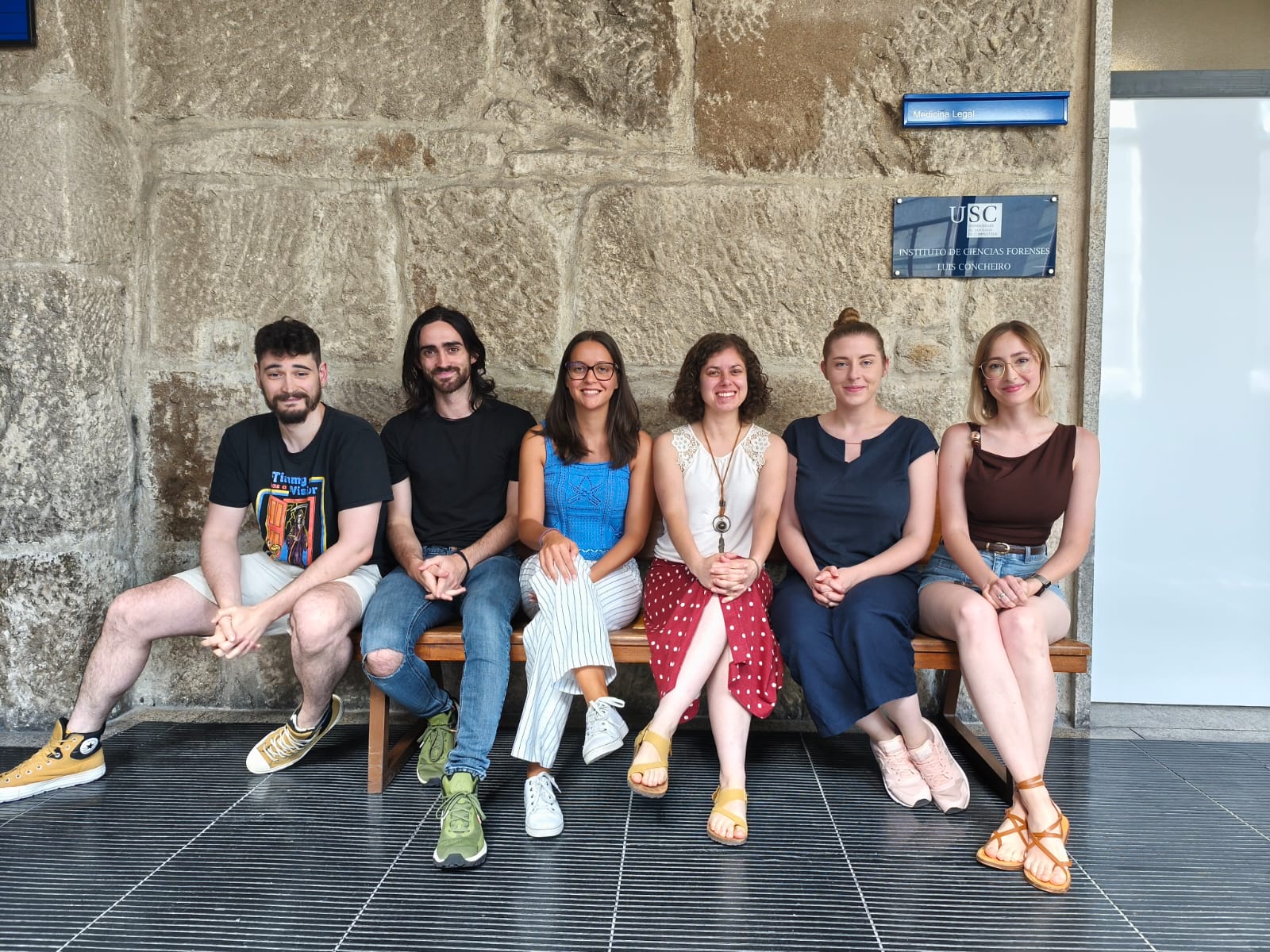
Last week, Aleksandra Pisarek-Pacek from Jagiellonian University and Kamila Marszałek from Pomeranian Medical University spent a full week at the USC Forensic Genetics Unit in Santiago de Compostela. Project Coordinator Ana Freire-Aradas hosted them. They worked closely with Miguel Boullón-Cassau, Mafalda Silva, and Adrián Ambroa-Conde.
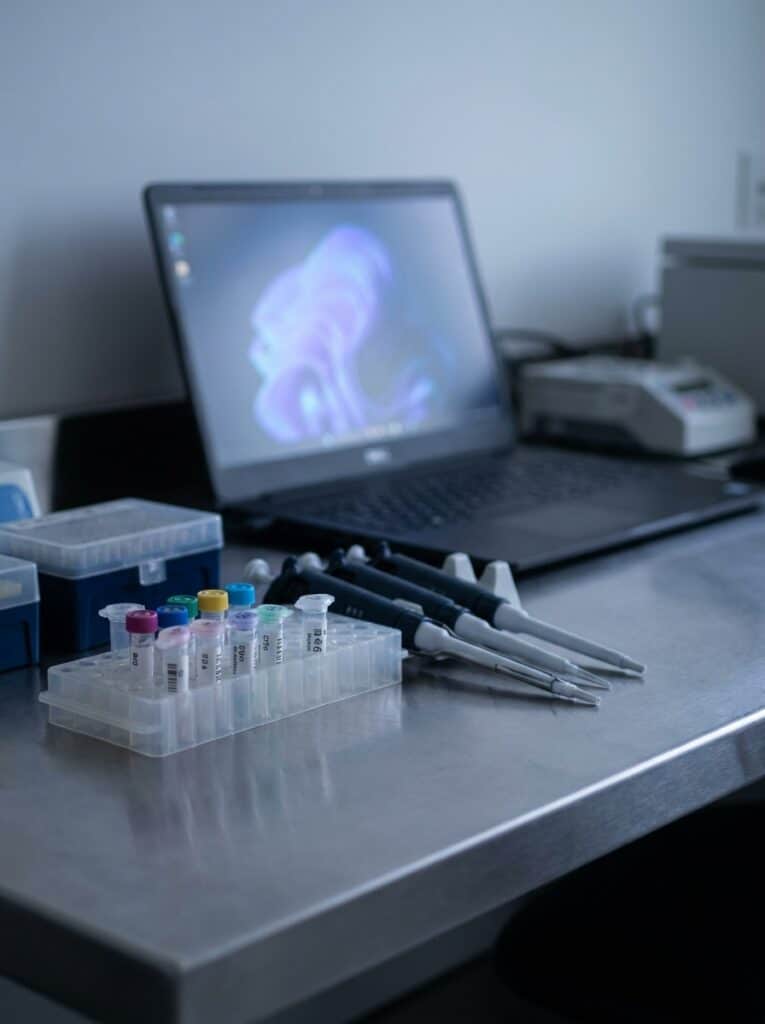
Their work focused on novel technologies for DNA methylation analysis, carried out hands-on, side by side, in the same laboratory. The goal was not simply to compare notes remotely. Instead, they physically ran the same techniques together, using the same equipment. They also discussed directly what worked, what didn’t, and where current and future research should go.
Why being in the same room matters
It would be easy to assume that scientific collaboration today happens mostly online, through shared documents, video calls, and emailed data. For some kinds of research, that is true. For laboratory science, it usually is not.
Running an experiment together in the same physical space lets researchers spot small differences in technique that would otherwise go unnoticed. A slightly different pipetting method, an alternative way of preparing a sample, or an assumption about how a piece of equipment behaves can all introduce variation. A written protocol alone would not catch any of it. Working hands-on, in person, is one of the most effective ways to find and resolve these gaps before they become a problem in a published study or, worse, in real casework.
This is the quiet, unglamorous work that standardisation actually requires. It rarely makes headlines. But it is the foundation that allows a forensic tool developed in one country to earn trust and reliable use in another.
Building more than methods
Visits like this also build something less tangible but equally important: working relationships between the people behind the science. Forensic genetics is a small, highly specialised field, and the researchers within it will likely keep crossing paths throughout their careers. A week spent solving problems together in the lab builds the kind of trust and familiarity that makes future collaboration faster and easier.
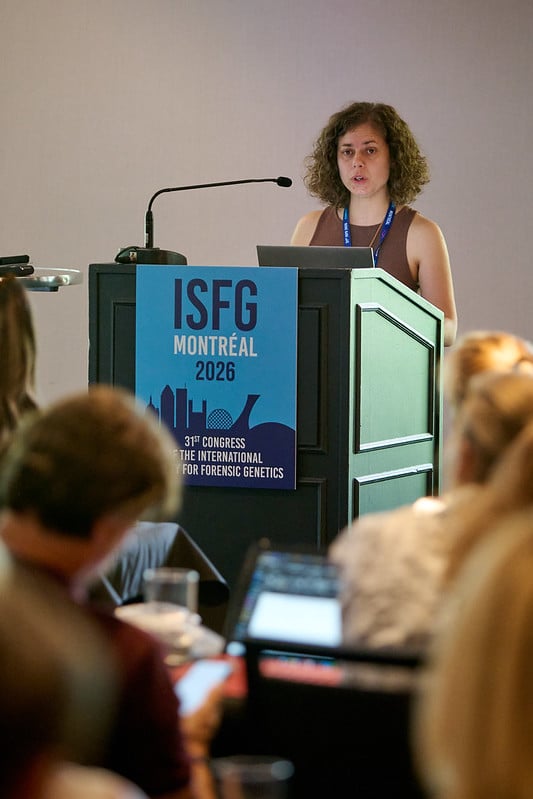
ForMAT extends its sincere thanks to Aleksandra and Kamila for a genuinely productive visit, and to the entire Santiago de Compostela team for hosting them. The consortium is already looking forward to reconnecting at the International Society for Forensic Genetics (ISFG) Congress in Montréal this August. There, part of the work developed within ForMAT will reach the wider scientific community.
The bigger picture
ForMAT’s mission depends on more than producing scientifically sound tools. It depends on producing tools that work consistently, no matter which forensic laboratory in Europe ends up using them. That consistency does not happen automatically once a method is published. Direct, hands-on collaboration between institutions builds, tests, and refines it.
The lab exchange in Santiago de Compostela is a small but meaningful example of how that work actually gets done.