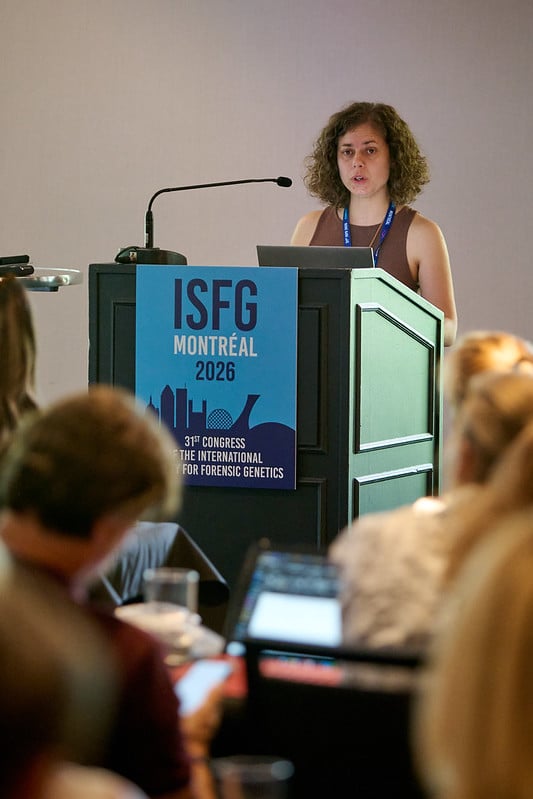
In May 2026, the ForMAT project took its work to one of Europe’s most respected forensic genetics forums. David Ballard from King’s College London represented the consortium at the 63rd EDNAP annual meeting. The event took place in Palermo, Sicily, on 12 May 2026. Thirty-nine members attended. They shared studies, projects, and new perspectives in the field of forensic biology. For ForMAT, it was a significant opportunity to reach the people who matter most: forensic scientists working on the ground across Europe.
What is EDNAP?
EDNAP – the European DNA Profiling group – has been at the heart of forensic genetics in Europe for nearly four decades. It was founded in October 1988 in London. At that time, forensic scientists from across the continent gathered with a clear purpose: to harmonise DNA technology for criminal investigation. The driving idea was straightforward but forward-thinking. An integrated Europe with open borders would inevitably see more cross-border crime. Therefore, forensic laboratories in different countries needed to exchange data and compare results reliably. EDNAP was the answer.
Since then, the group has grown into one of the most influential networks in European forensic science. It operates as a working group of the International Society for Forensic Genetics (ISFG). Moreover, it has a long track record of producing collaborative exercises, scientific recommendations, and validated standards. Laboratories across the continent rely on these outputs daily. Since 2004, EDNAP has held its annual meeting alongside the DNA Working Group of ENFSI. This partnership has deepened the exchange of knowledge between researchers and practitioners across European forensic institutions.
The 2026 edition in Palermo was the 63rd meeting in the group’s history. It took place as part of a broader joint event. This also included the ENFSI DNA EWG Annual Meeting and the European CODIS User Conference. In total, four days of forensic science exchange took place at the NH Hotel Foro Italico. The Forensic Science Police Service of the Italian National Police hosted the event.
ForMAT at the meeting
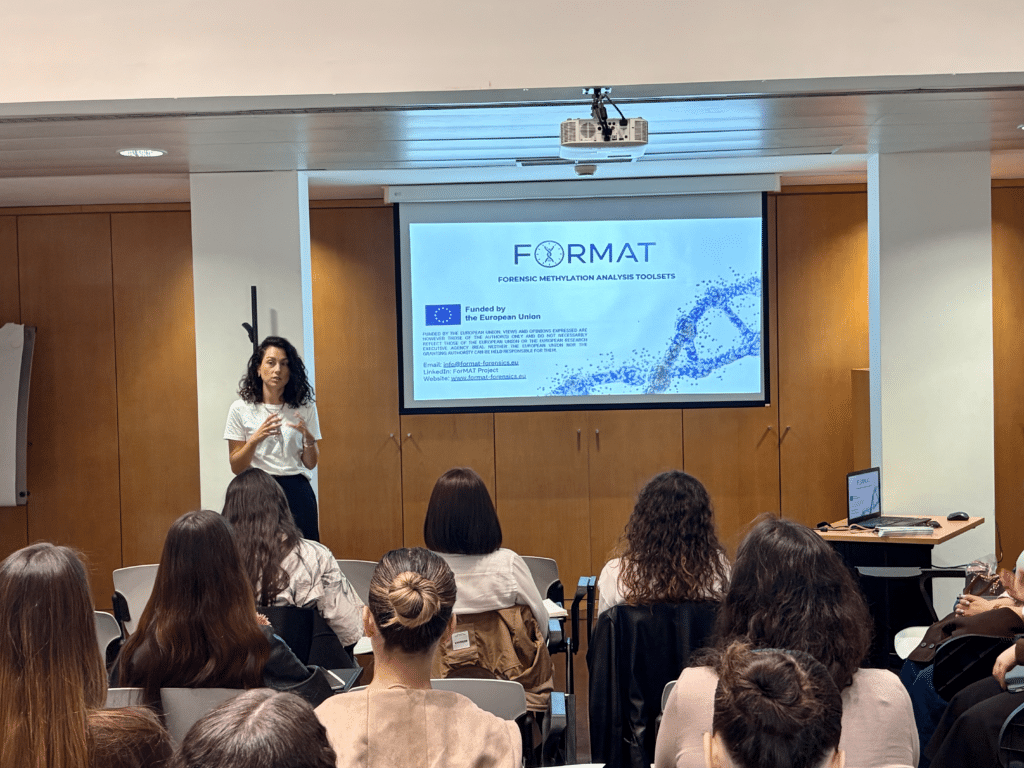
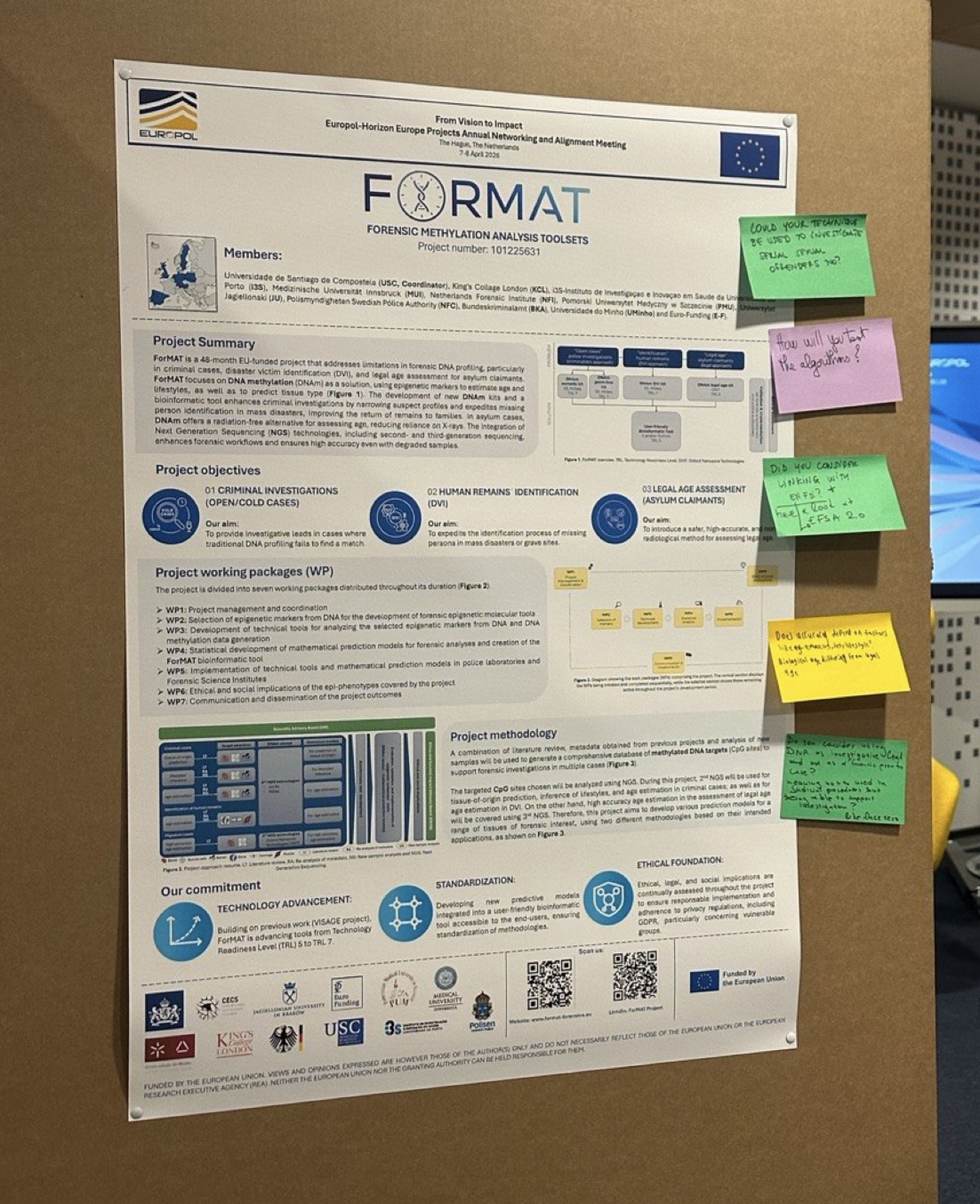
David Ballard, Principal Investigator at King’s College London and a key member of the ForMAT consortium, gave a presentation on 12 May outlining the project’s objectives and the progress made so far. The session gave 39 forensic geneticists from across Europe a direct overview of how ForMAT develops new DNA methylation-based tools for use in criminal investigations and other forensic contexts. Specifically, the presentation covered ForMAT’s core ambition: building a validated, standardised, and legally admissible toolkit for forensic epigenetics that can work consistently across European laboratories – from tissue identification to age estimation.
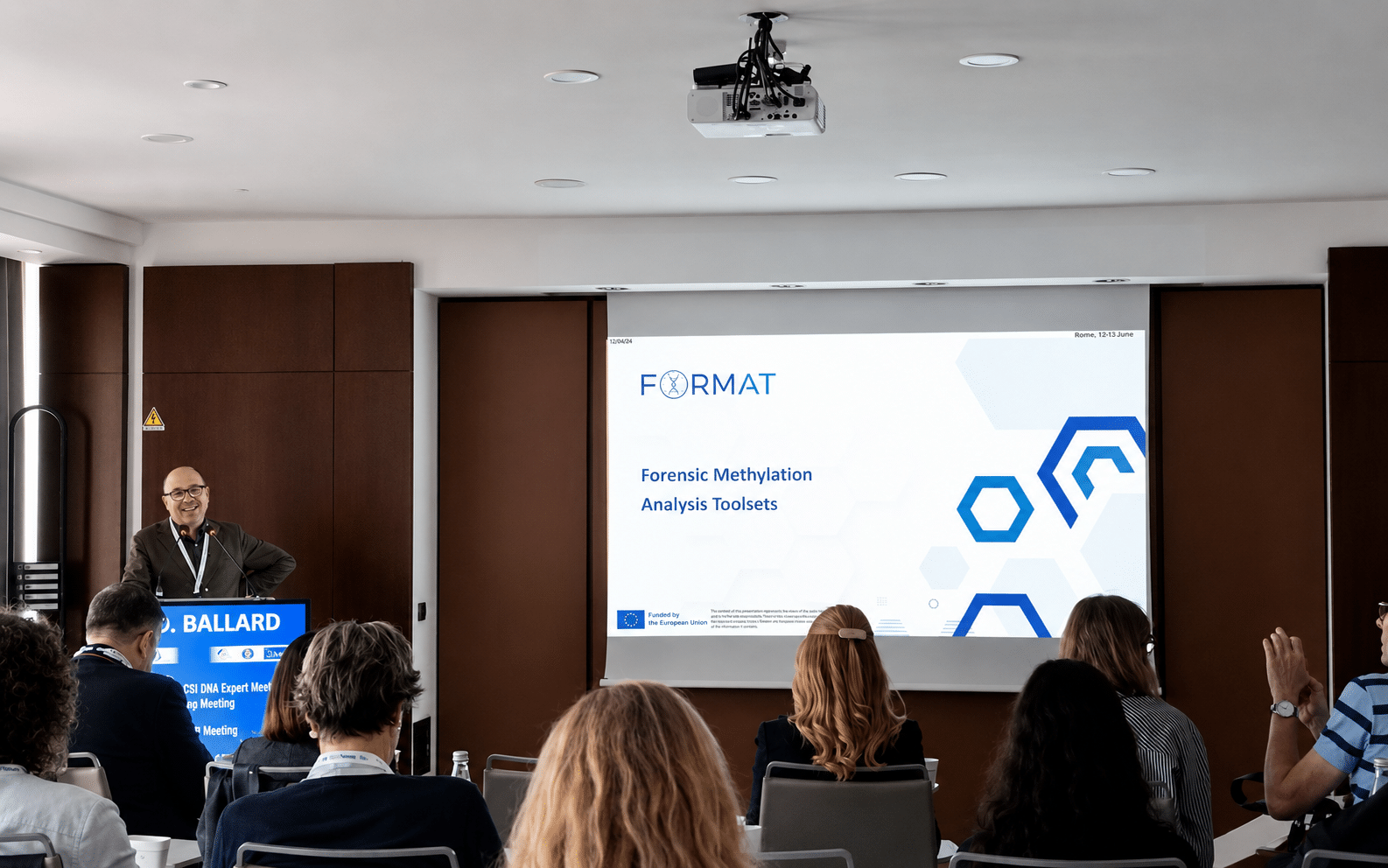
ForMAT extends its sincere thanks to the Italian National Police for their hospitality and for creating the conditions for this kind of high-level scientific exchange.
Why presenting at EDNAP matters
Dissemination in EU-funded research often means publishing papers, writing reports, and updating project websites. All of that is necessary. However, it is not the same as standing in front of forensic genetics experts and explaining your work directly.
EDNAP’s membership represents exactly the community that ForMAT’s tools are designed to serve — forensic laboratories, law enforcement agencies, and research institutions that deal with biological evidence in real investigations. Their feedback shapes what good forensic science looks like in practice. Furthermore, their awareness of ForMAT’s work builds the foundation for adoption once the tools are validated and ready for operational use.
Presenting at EDNAP is not just a milestone on a dissemination plan. It is ForMAT making its case to the people whose daily work could be transformed by what the project is building.
ForMAT and the future of forensic epigenetics
The Palermo meeting is one step in a broader effort to connect ForMAT’s research with the European forensic science community. As the project moves toward its final stages – completing cross-laboratory validation, establishing standardised protocols, and developing statistical models -these engagements become increasingly important. Ultimately, the goal is to allow methylation-based evidence to contribute towards a safer and more just society.
The goal was never just to produce tools. It was to produce tools that forensic scientists trust, understand, and can actually use. EDNAP is one of the most important rooms in Europe for that conversation.