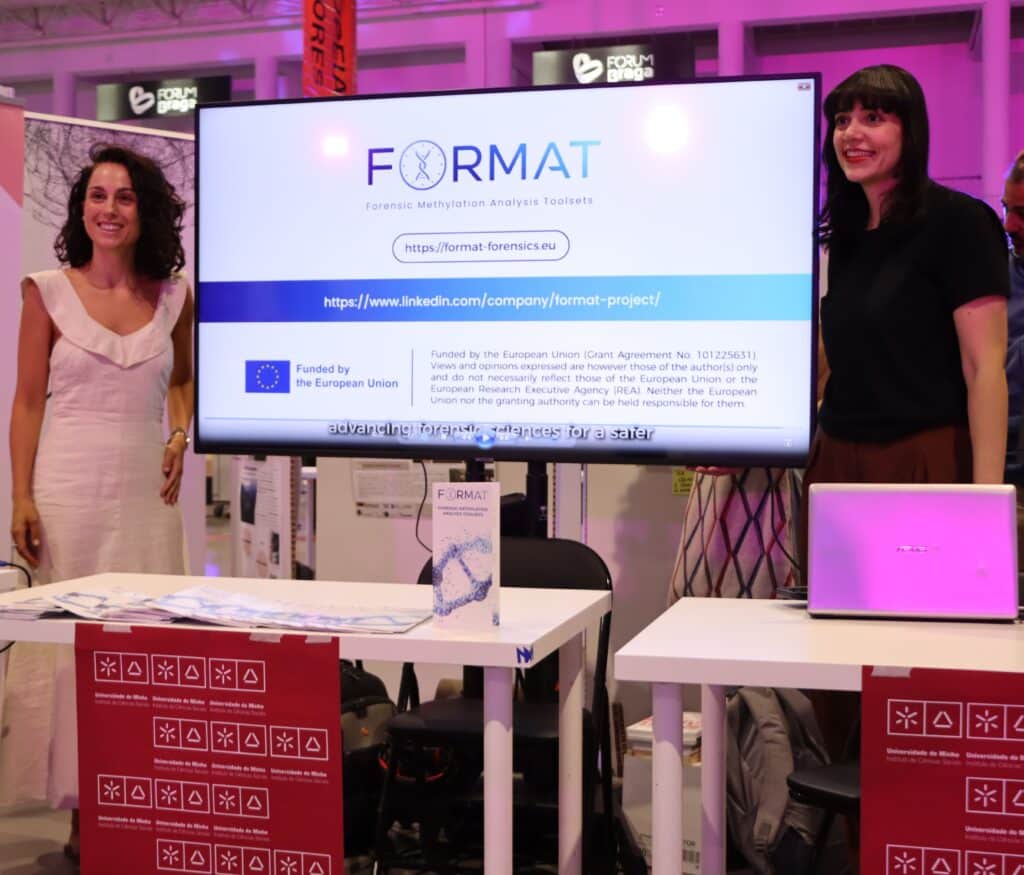
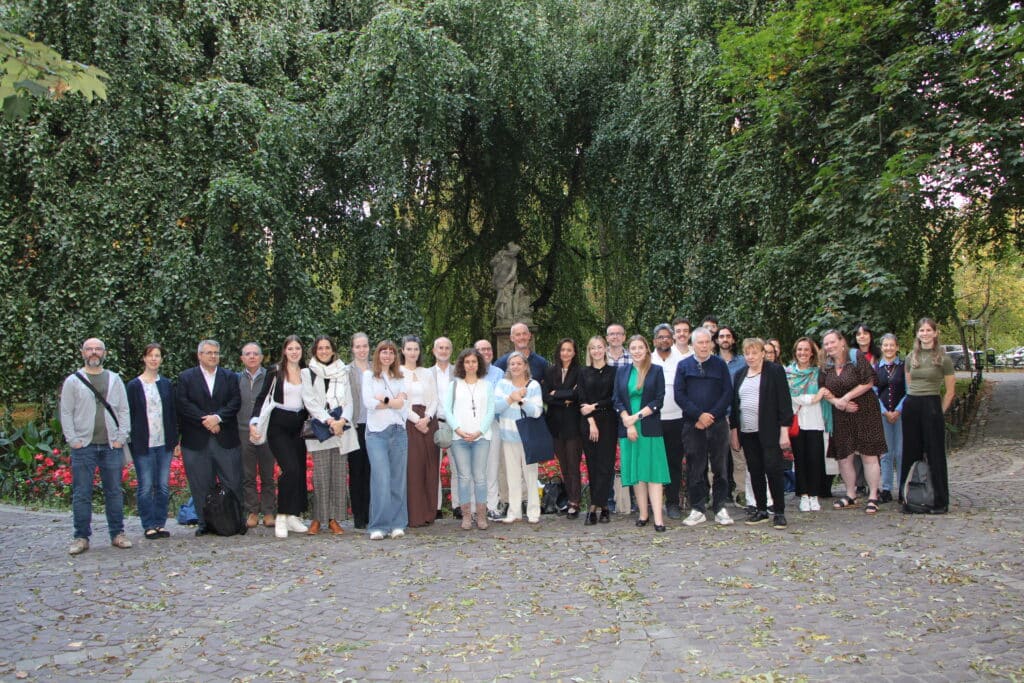
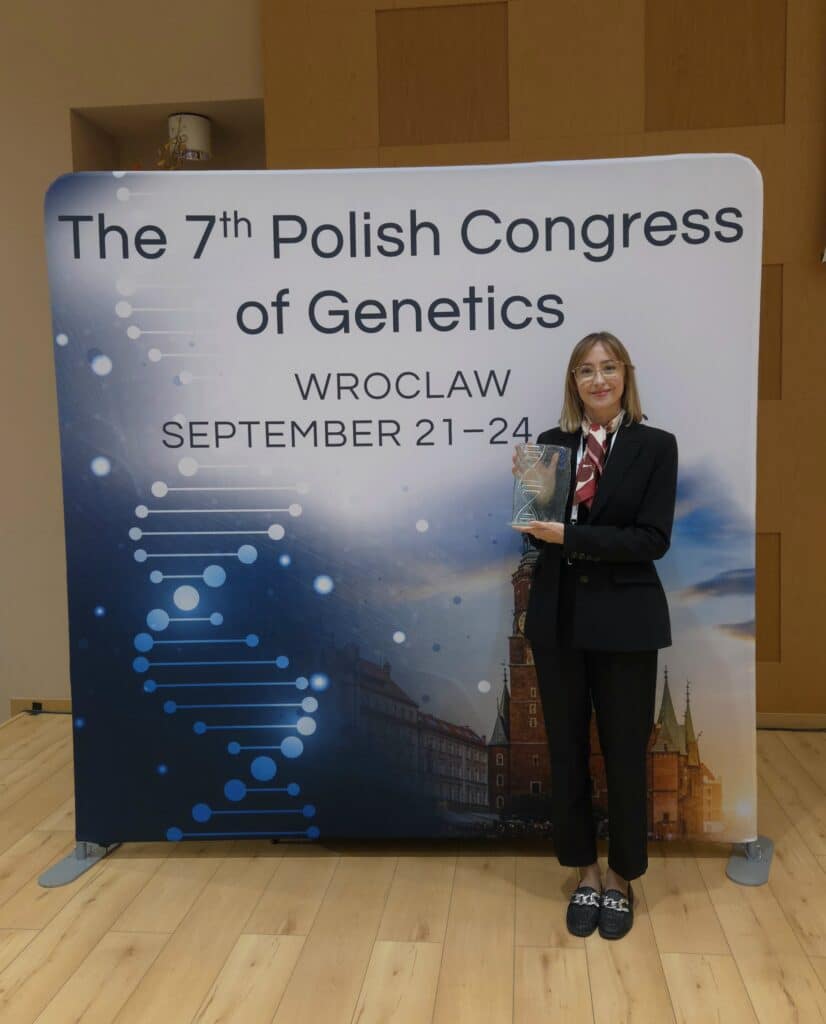
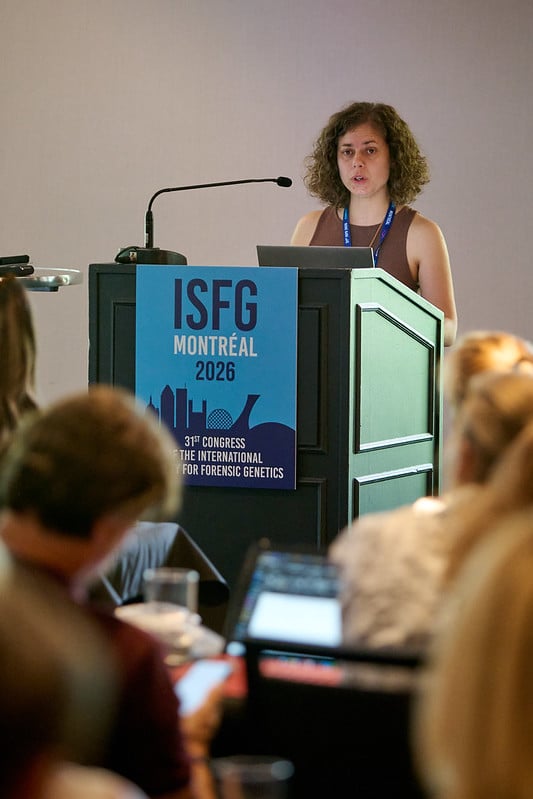
Earlier this month, ForMAT’s Communication & Dissemination Manager Alina Harbovska and Project Coordinator Ana Freire-Aradas attended the Projects to Policy Seminar in Brussels. The event brought together EU-funded security research projects, representatives from DG HOME, and the Research Executive Agency (REA) for two days of exchange on how research translates into real-world impact.
One theme kept coming up, and it is one ForMAT knows well: communicating forensic science is not like communicating most other research. In fact, it comes with a unique set of constraints that make the job genuinely difficult. This post is our attempt to unpack why.
Science communication is already hard
Most research is complex. Turning years of laboratory work into something a general audience understands and cares about takes skill, time, and a willingness to sacrifice nuance for clarity. Science communicators working in any field face this challenge every day.
For forensic science, the challenge starts here. The concepts involved, such as DNA methylation, epigenetic clocks, and sequencing technologies, are not part of everyday vocabulary. Explaining them without either oversimplifying or losing the reader requires careful, deliberate writing. Every piece of content is a balancing act between accuracy and accessibility.
Forensic science adds a layer that most fields don’t have
Beyond complexity, forensic research carries something most scientific disciplines don’t: direct legal and investigative implications.
The tools ForMAT develops are designed to support criminal investigations. That means the data behind them, the methodologies used, and sometimes even the findings themselves can be sensitive. Publishing too much, too soon, or in the wrong way could therefore compromise ongoing cases, reveal investigative strategies, or create legal complications.
This is not a theoretical concern. It shapes every communication decision the project makes. Before anything goes public, whether a blog post, a LinkedIn update, or a press release, the team asks whether sharing it could cause harm. Most of the time the answer is no. But the question always has to be asked.
The risk of oversimplification
There is another tension that is less obvious but equally important: the risk of making forensic science sound simpler than it is.
Forensic tools are probabilistic. In other words, they produce estimates, not certainties. For example, an epigenetic age clock does not tell an investigator that a suspect is 35 years old. It tells them that the biological evidence is consistent with a donor in a certain age range, with a certain margin of error, under certain conditions. That distinction matters enormously in a legal context.
When science communicators strip away that nuance to make content more engaging, they risk creating a public misunderstanding of what forensic evidence can and cannot do. That misunderstanding can travel into media coverage and into public debate. Getting the balance right is not just a communication challenge. It is an ethical one.
What good forensic science communication looks like
None of this means forensic research should stay silent. Quite the opposite. Public understanding of how forensic tools work and what their limitations are is essential for building trust in the justice system.
Good forensic science communication is honest about uncertainty. It explains what a tool does without overclaiming what it proves. It finds ways to make complex science accessible without pretending it is simple. And it respects the boundaries that exist for good reasons, without hiding behind them unnecessarily.
At ForMAT, this is something the team works on actively. Every blog post, every social media update, and every conference presentation is an opportunity to bring forensic epigenetics closer to the people it is ultimately designed to serve: investigators, legal professionals, policymakers, and the public.
The European Commission’s role
EU-funded research projects do not navigate this alone. The Projects to Policy Seminar in Brussels was a reminder that the European Commission, through DG HOME and REA, actively supports projects in developing communication strategies that are both impactful and responsible. The sessions on dissemination and exploitation are not box-ticking exercises. They are spaces where projects share what works, what doesn’t, and how to do better.
For ForMAT, that kind of support matters. Forensic science communication is hard. But it is also necessary, and worth doing well.