Ever watched a crime show where a detective swabs a doorknob, and twenty minutes later a computer beeps and flashes a suspect’s photo on screen? That single dramatic moment actually hides several separate steps: finding a usable sample, obtaining a profile, searching for a possible match, confirming it, and figuring out what it means for the investigation. Real forensic work handles each of these separately, and any one of them can turn out differently than fiction suggests.
What is the “CSI Effect”?
Researchers use the term “CSI Effect” to describe how crime television may shape what people expect from forensic evidence. This includes jurors in real trials. It’s not a single, uniform effect. Some viewers may expect DNA evidence in every serious case. Others may assume lab results are always conclusive, or underestimate how long testing takes. The term comes from CSI: Crime Scene Investigation (2000). It inspired a wave of similar shows: NCIS, Bones, Law & Order: Special Victims Unit, Criminal Minds. These shows aren’t wrong to be dramatic. They’re built to compress a process that normally takes weeks into a single episode. That compression quietly shapes what audiences assume is normal.
What a DNA profile actually is
A forensic DNA profile isn’t a full reading of someone’s genetic code. It’s closer to a highly detailed barcode: a pattern extracted from a small set of selected DNA markers. A laboratory can compare two barcodes and assess whether they could belong to the same person. But the barcode itself doesn’t carry a name. To make that comparison, investigators need a reference sample. This means DNA from a known source such as a suspect, a victim, a relative of a missing person, or an authorised database record. Without one, even a perfectly valid profile has nothing to compare against.
What happens between the swab and the result
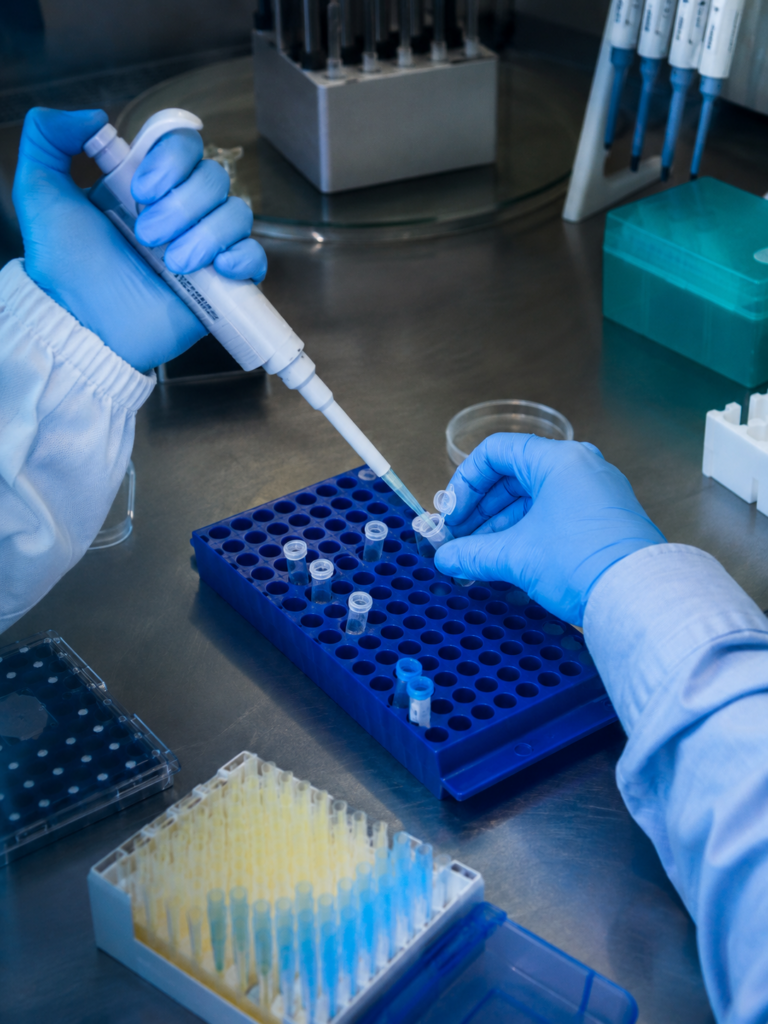
The delay isn’t a slow computer. It comes from careful work: transporting evidence securely, extracting biological material, checking its quality, and copying and measuring the markers. It also means interpreting a result that may show degradation or come from a mix of several contributors. A qualified reviewer then checks it before issuing a report. There’s no single standard turnaround. (Technologies still depend on sample quality, comparison records, and confirmation.)
TV versus reality
Television and reality diverge in a few consistent ways. On screen, every swab has usable DNA; in reality, some samples contain too little material, DNA that’s degraded, or DNA mixed from several people. In fiction, the machine outputs a name; in reality, the lab outputs a profile designed only for comparison. A match appears instantly on screen; in reality, someone still has to confirm and review it before anyone relies on it. Dramas treat DNA as proof of who did it; in reality, DNA shows a possible link, and context still matters. And on screen, results take minutes; in reality, they often take days to weeks.
A match is not a verdict
Take that doorknob: it was likely touched by several people, so the lab may get a mixed profile rather than one clean result. And even a confirmed match doesn’t settle the case on its own. If DNA from a known person turns up on a broken window, that shows their biological material is present, not when it arrived, how, or whether there’s an innocent explanation. Investigators still have to ask those questions. DNA is powerful evidence. It isn’t proof of guilt by itself.
Where ForMAT’s research fits in
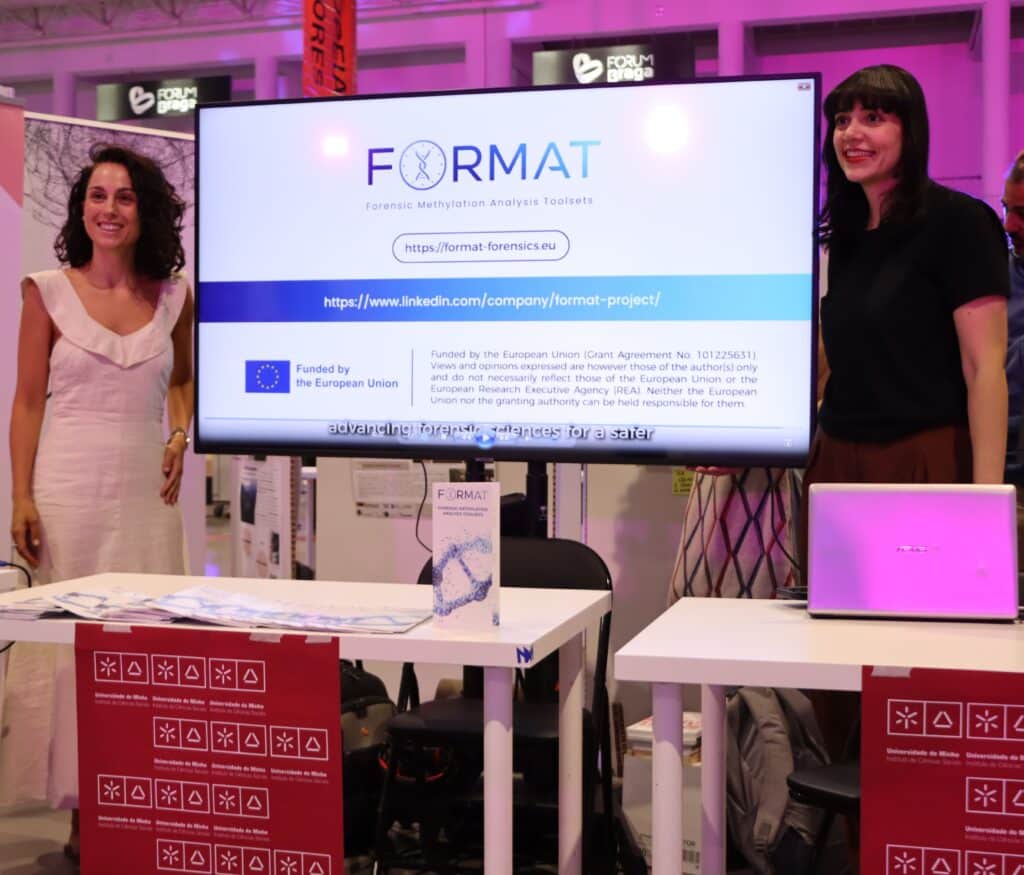
This raises a real research question: if investigators can’t match a DNA profile to a known person, could the trace still offer some limited information to help investigators decide where to look next? That’s what ForMAT is exploring.
DNA methylation, the concept behind this research, involves small chemical marks attached to DNA. If the DNA sequence is like the text of a book, methylation marks are more like removable notes stuck to certain pages. The words don’t change, but the notes can shift over time or differ between cell types.
Researchers are exploring whether these marks could offer an investigative lead. That means a clue that helps decide what to examine next, without identifying anyone by itself. Two examples of what that might look like: an estimate of whether a trace’s donor is more likely a younger or older adult, with a margin of uncertainty, not an exact age. Or an indication of whether a stain is more likely blood, saliva, or semen. Neither tells investigators who someone is, when the material was deposited, or whether that person committed an offence.
It’s worth being direct about where this stands: ForMAT’s methods are still under research and validation. They aren’t replacing standard DNA profiling, police and courts don’t currently use them, and their eventual use isn’t guaranteed.
The takeaway
Real forensic DNA analysis is powerful because it can compare a trace against a known profile. It isn’t a machine that turns every trace into an identity. What DNA profiling can do: link samples, support or challenge a hypothesis, help identify people when a comparison exists. What it can’t do automatically: produce a name from nothing, explain how or when someone deposited it, or prove guilt on its own. ForMAT is studying whether careful, limited investigative leads, like an age range or a likely biological material, could help. This is exactly in the cases where that comparison is missing. Any such tool would still need validation and careful interpretation alongside everything else an investigation already relies on.
Frequently asked questions
Is the “CSI Effect” a real, scientifically recognised phenomenon?
It’s a widely used term among researchers and legal professionals to describe how crime dramas may shape public expectations of forensic evidence. Studies don’t all agree on exactly how strong or uniform the effect is, but the underlying pattern, TV compressing forensic work into something faster and more conclusive than reality, is well documented.
How long does real DNA analysis actually take?
There’s no single answer. A clear, high-quality sample in an urgent case can move relatively quickly, while a degraded, or mixed sample in a laboratory with a backlog can take much longer. As a rough guide, real casework typically takes days to weeks, not the minutes shown on screen.
If my DNA is found somewhere, does that mean I’m a suspect?
Not by itself. Finding someone’s DNA on an object or at a scene shows their biological material is present, not when it got there, how it arrived, or whether there’s an innocent explanation. Investigators still need to answer those questions before drawing any conclusion.
What’s the difference between a DNA profile and a full genetic reading?
A forensic DNA profile isn’t a complete readout of someone’s genetic code. It’s extracted from a small set of selected DNA markers, more like a detailed barcode than a full biography. It’s designed to support comparison, not to reveal broad information about a person.
Why can’t investigators always get a DNA match?
A match requires something to compare against: a known suspect, a victim, a relative, or an existing database record. If no such reference exists, even a perfectly valid profile has nothing to match, and the case doesn’t get an automatic answer the way TV suggests.
Does ForMAT’s research offer instant identification like TV shows do?
No. ForMAT is exploring whether DNA methylation patterns could offer limited investigative leads, such as an estimated age range or an indication of biological material type. This applies in situations where standard profiling has no reference to compare against. This isn’t an identity, isn’t instant, and isn’t a finished tool; it’s research still under validation.